
Oldfields: Frederick County’s Last Surviving Rosenwald School

Over 5,000 schools for African American students were built between 1917 and 1931 across the southern United States through the collaboration of educator and author Booker T. Washington and Julius Rosenwald, President of Sears, Roebuck, and Company. The Rosenwald Foundation provided matching grants to over 150 school projects in Maryland, including the Oldfields School.
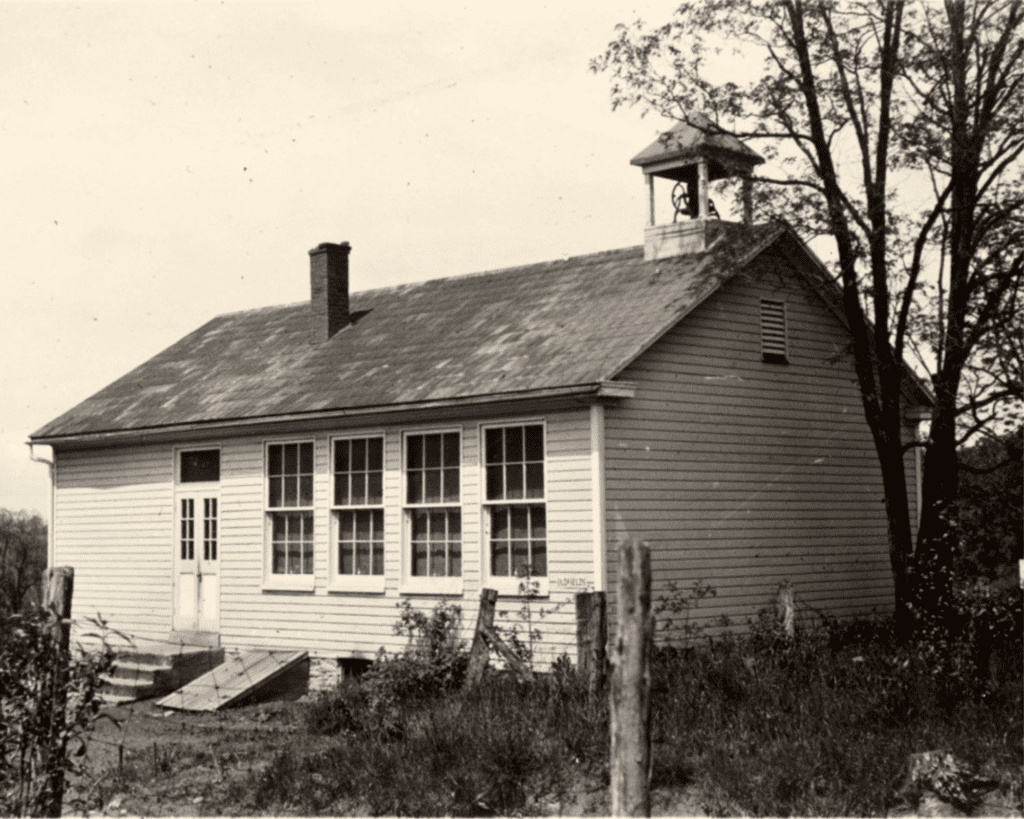
Oldfields is a historically Black community located at the intersection of New Windsor and Coppermine Roads, near Libertytown. Several families in Oldfields joined together to purchase land in 1871 “for the purpose of erecting a house thereon to be used for a school house and to worship in.” In 1883, Keys Chapel was dedicated on this site. 

Families in Oldfields raised funds and secured a grant from the Rosenwald Foundation in 1918 to build a larger dedicated school building. As seen in this photograph, the new school contained a classroom and two cloakrooms and was built using plans prepared at the Tuskegee Institute. 

The population of Oldfields declined during the Great Depression and the school closed in 1935. Four years later, County Superintendent Eugene W. Pruitt proposed using the Oldfields building to replace the century-old segregated school in New Market. During the fall of 1939, contractor William Cookerly moved the structure over ten miles from Oldfields to New Market and constructed an extension to accommodate a second classroom.
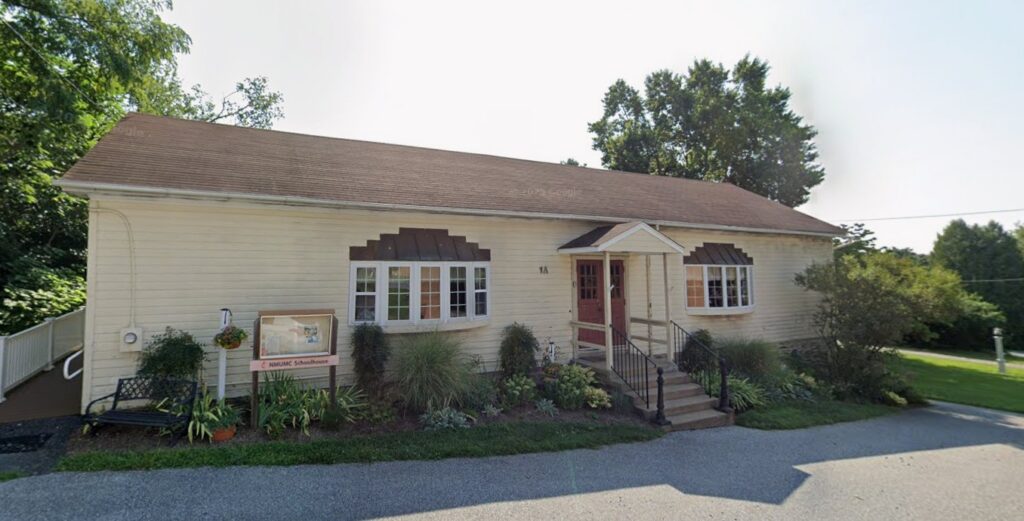
After the integration of New Market Elementary School in 1961, the former segregated schoolhouse was acquired by New Market United Methodist Church. Today, the structure is the only surviving Rosenwald School in Frederick County.

This article by Jody Brumage, Heritage Frederick Archivist and Museum Manager, was originally featured in the August 2026 edition of Frederick magazine. To see the original article, click here >>

Patriotic Display

Freedom in America began with a Revolution –brave people, willing to put themselves in danger to stand up for the rights of their neighbors and friends – a melting pot of immigrant families from many parts of the World, looking for a better life, hopeful but not yet sure what “being American” would mean.

Peter Mantz was 23 years old in July 1776.  Raised in Frederick, he was one of nine children of German immigrant parents Johann Casper and Anna Christina Heim Mantz who ran a general store on East Patrick Street.

Major Peter Mantz’s Revolutionary War Sword.
Gift of Elizabeth Robinette Kemp Roszel.

Following the adoption of the Declaration of Independence, two hundred and fifty years ago this month, Maryland patriots at the request of the Continental Congress began organizing the Flying Camp, an active-duty militia of 10,000 men from PA, MD and DE that would be constantly on the move to give support to the Continental Army, wherever needed.  Peter Mantz was selected to lead one of ten local companies. Mantz, with just over 80 men, supported the movements of General George Washington and the Continental Army in defense of New York City as well as their retreat through New Jersey and back across the Delaware River.

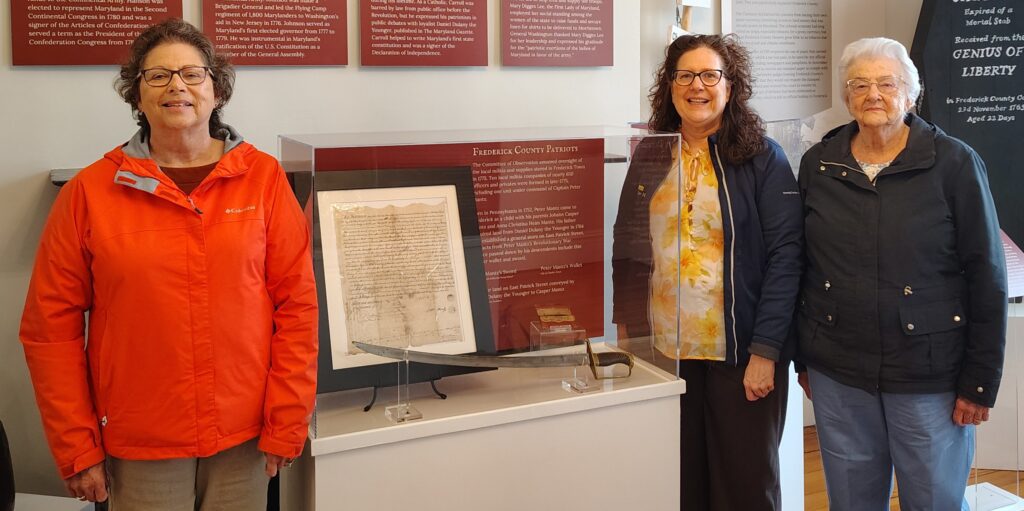
Following his Revolutionary service, Mantz went on to be a militia recruiter, a land surveyor and speculator, a tax commissioner, a Maryland legislator and the County Sheriff.  He married and raised 11 children of his own in Frederick. On view as part of Heritage Frederick’s Cultivating Independence: Frederick County in the Revolution exhibition are the Revolutionary war sword of Peter Mantz and a leather wallet that belonged to him later in life. Earlier this year, sisters and Peter Mantz descendants Joan and Bonnie, along with their mother Helen, stopped in to view their own Frederick County History after being identified and contacted by staff.

This article by Amy Hunt, Heritage Frederick Curator, was originally featured in the July 2026 edition of Frederick magazine. To see the original article, click here >>