
Current Exhibitions
Cultivating Independence
Frederick County in the Revolution
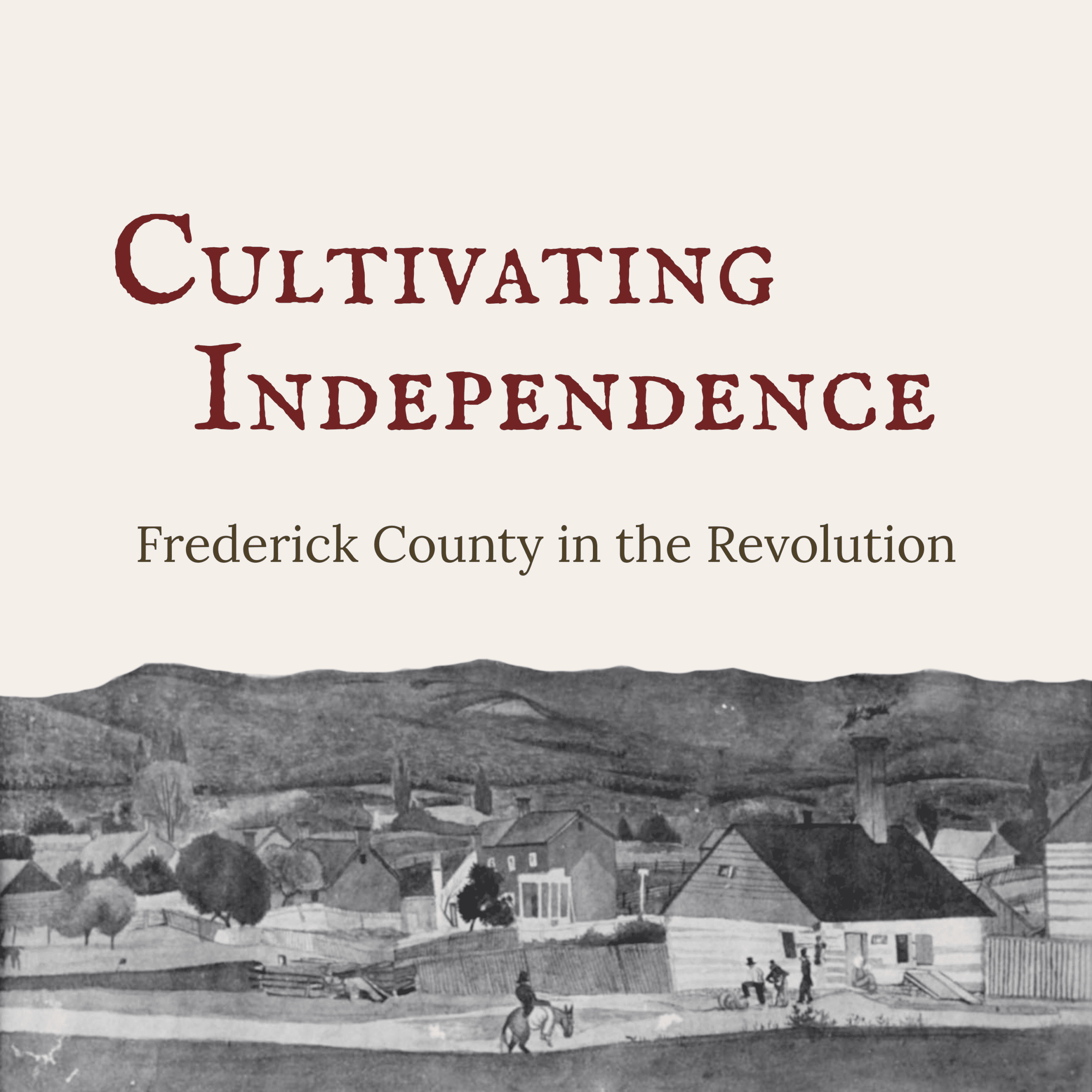
Frederick County played a vital role in the American victory in the Revolutionary War. In the Cultivating Independence exhibit, discover Frederick County’s indigenous and colonial history and learn how its position in the backcountry during the French and Indian War planted the first seeds of resistance that unified a diverse population in the build up to the Revolution. The leaders among the founding generation who hailed from Frederick County will be featured alongside the everyday farmers, merchants, and laborers, free and enslaved, who worked to feed, supply, and serve the Continental Army throughout the war. Artifacts on view include personal items from the family of Maryland’s first elected governor, the sword of patriot veteran Peter Mantz, and objects reflecting the county’s agricultural and industrial roles cultivating American independence.
Cultivating Independence will be on view through December 11, 2027.
All Saints Street
An Avenue to the History of Frederick and its African American Community
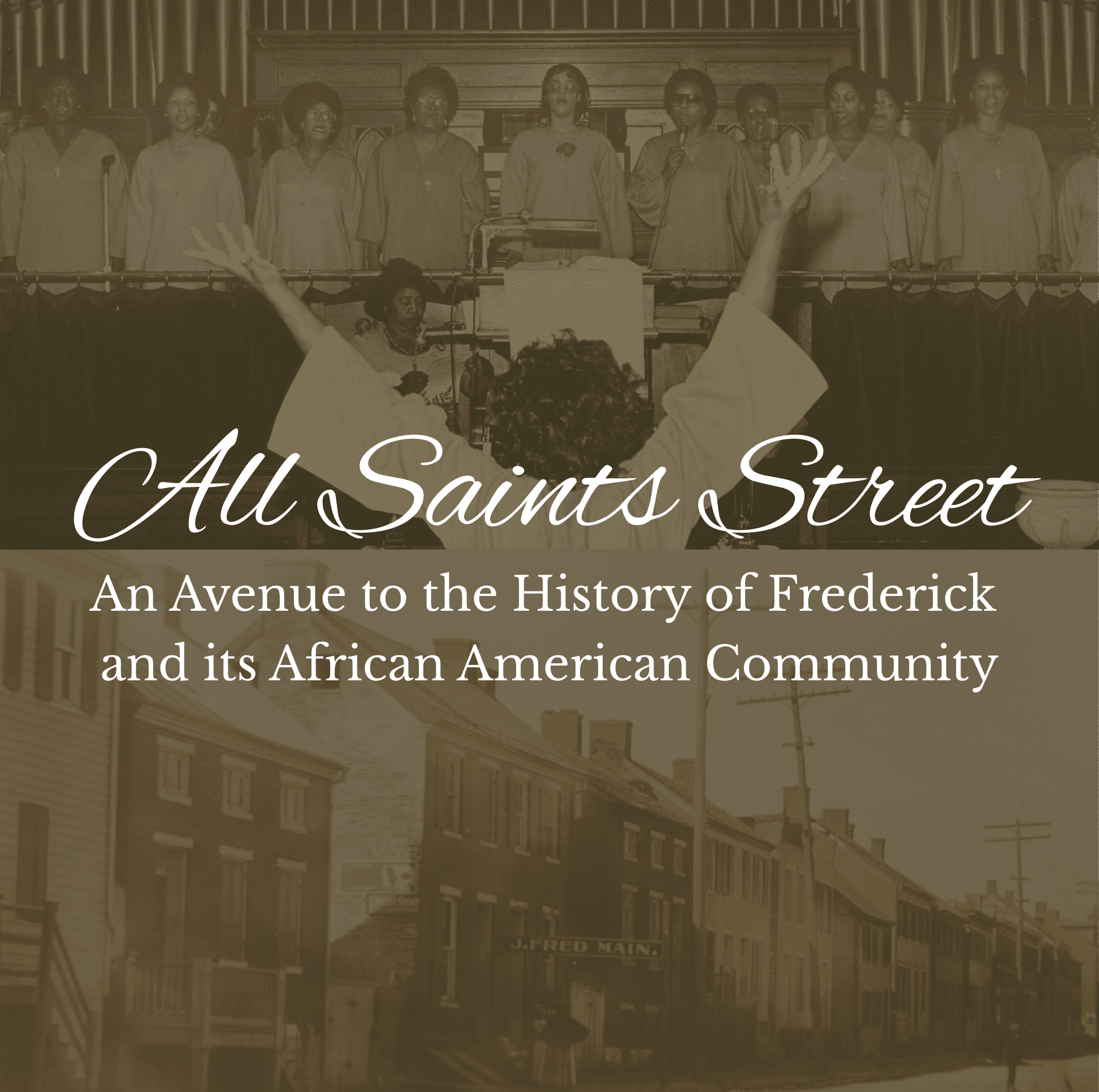
For over 280 years, All Saints Street has been an avenue to the history of Frederick. As one of the original streets laid out in 1745, All Saints Street has been witness to much of Frederick’s history and contributed to it as well. From the days of colonial settlement and the Revolutionary War to technological innovation and industrial development, no single person or event fully captures the vast story of All Saints Street. Historically home to Frederick’s African American population, the members of this community founded their own businesses, fraternal organizations, churches, and schools here in spite of legal, economic, and social discrimination.
All Saints Street invites you to take a stroll down this unique throughfare and glimpse how the actions of ordinary people, living, working, struggling, organizing, and succeeding, opens a window into Frederick’s past and the fight for human rights in the Civil Rights Era and beyond.
All Saints Street will be on view through December 11, 2027.
Growing Gold
in Frederick County
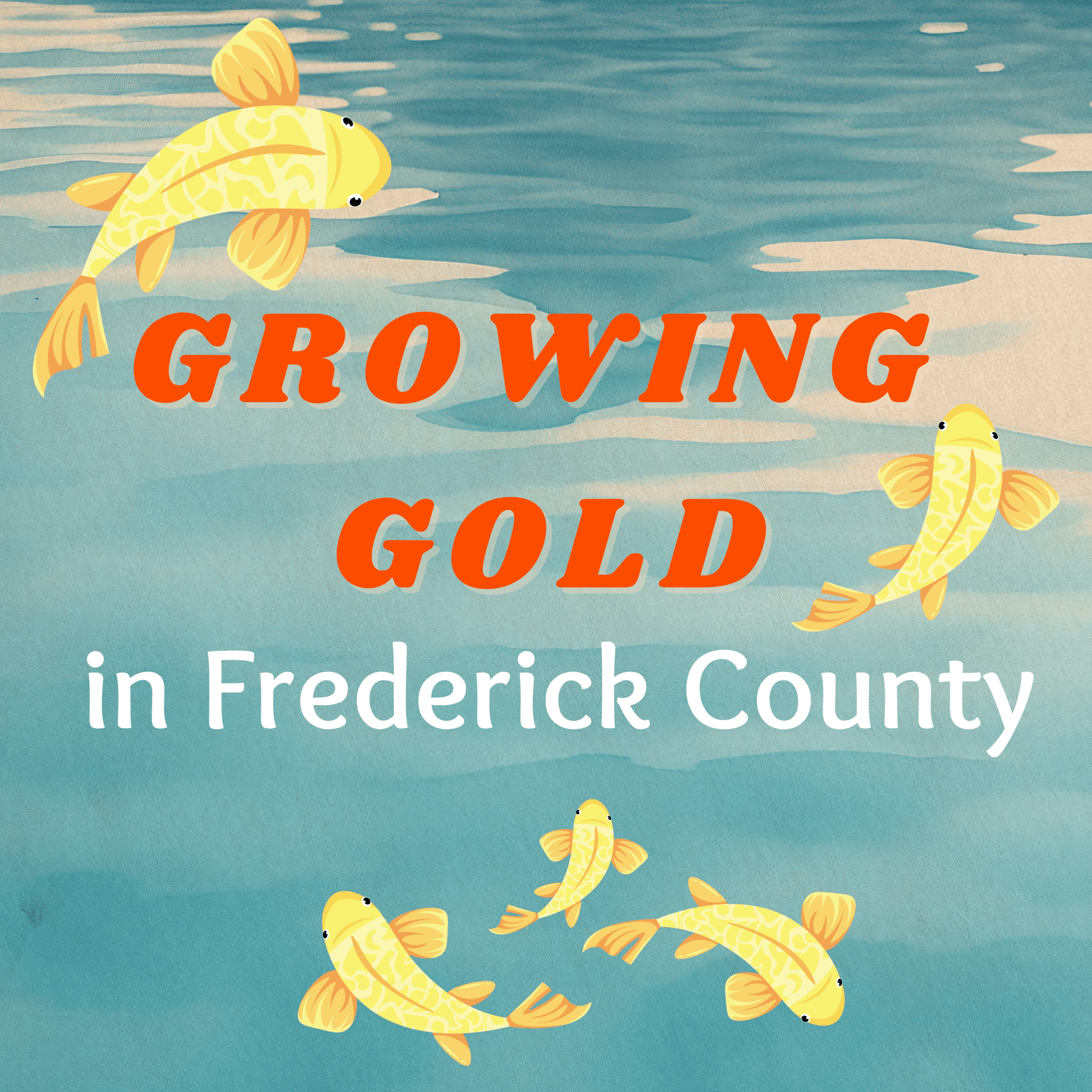
You may know Frederick history, but did you know that during the 20th century, Frederick County led the nation in goldfish production? Growing Gold in Frederick County explores this unique side of our county’s agricultural heritage. We’ll introduce you to the various fish farms of Frederick County and the varieties of fish they raised. We’ll even share a fish farmer’s top tips to raising healthy goldfish, if you want to start a farm of your own!
Growing Gold will be on view through December 12, 2026.
Witnessing Revolution
Jacob Engelbrecht Captures America’s Transformation
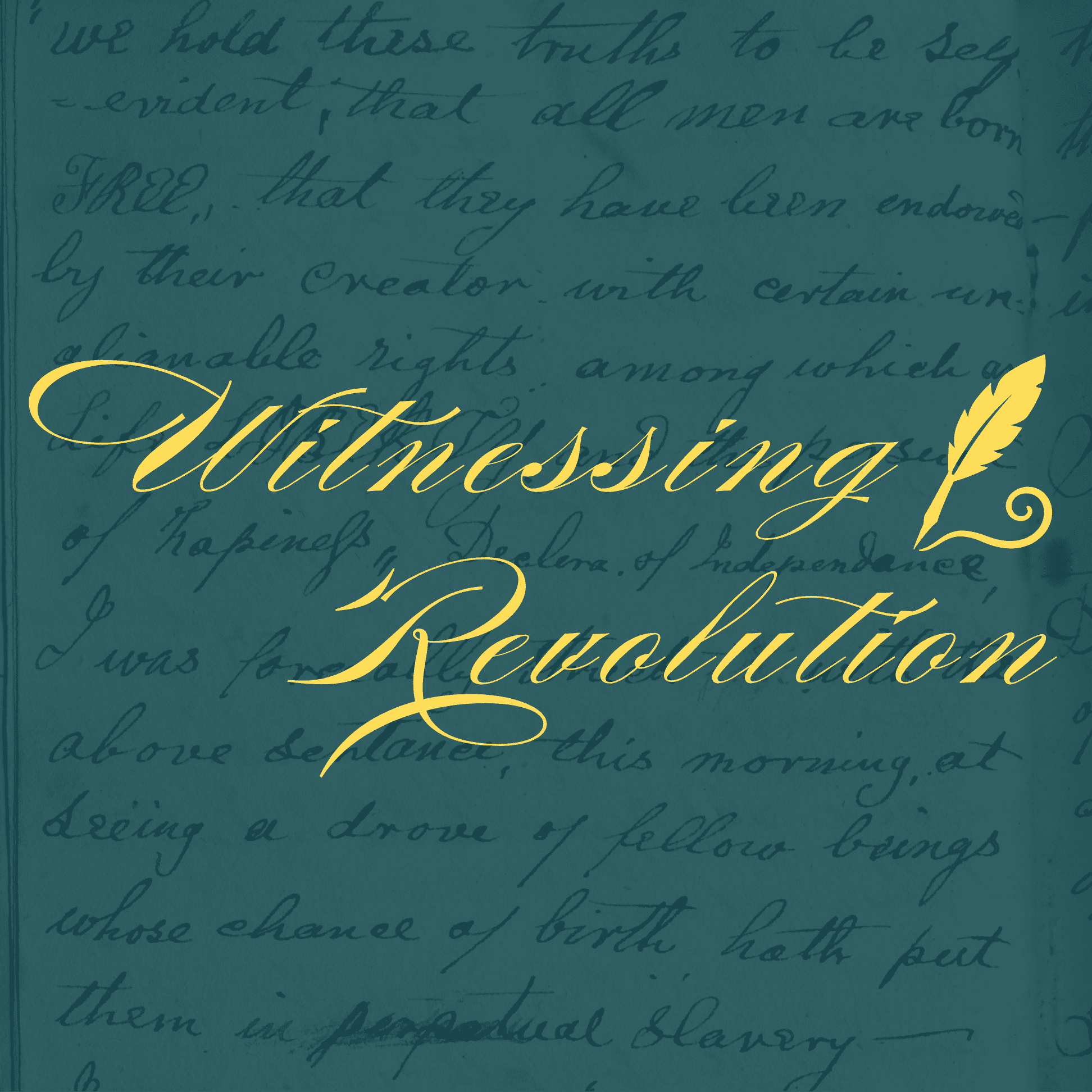
By the end of the Revolutionary War, Frederick was Maryland’s most populous county where one out of every ten people was enslaved. Witnessing Revolution examines how the struggle for liberty and equality that galvanized the fight for independence continued in the century after the founding of the United States. Visitors will discover lives and stories that have been overlooked in traditional treatments of Frederick County’s history as well as reexaminations of the complex legacies of more well-known figures who played consequential roles in shaping the idea of who possesses the rights promised in our nation’s founding documents. Witnessing Revolution reveals these stories through the perspective of an ordinary man, Jacob Engelbrecht, using entries from the voluminous diary he maintained over two-thirds of the 19th century. Together, these words and stories reveal the local context to a national story and witness the ongoing revolutions that continue to define the American experience.
Witnessing Revolution will be on view through December 11, 2027.
Timeless Toys
Childhood Artifacts from Frederick County

Spanning 140 years from the mid-1800s to the early 1980s, this exhibit showcases the variety of toys and games that have been a part of leisure time for Frederick Countians. From dolls and toy soldiers, to board games like Monopoly, this selection of local artifacts will reawaken the child inside all of us.
Above displays of hundreds of historic toys and games, visitors can view photographs of the children who played with many of the items on display.
Timeless Toys will be on view through December 12, 2026.
24 East Church Street
A Home for Frederick County’s History
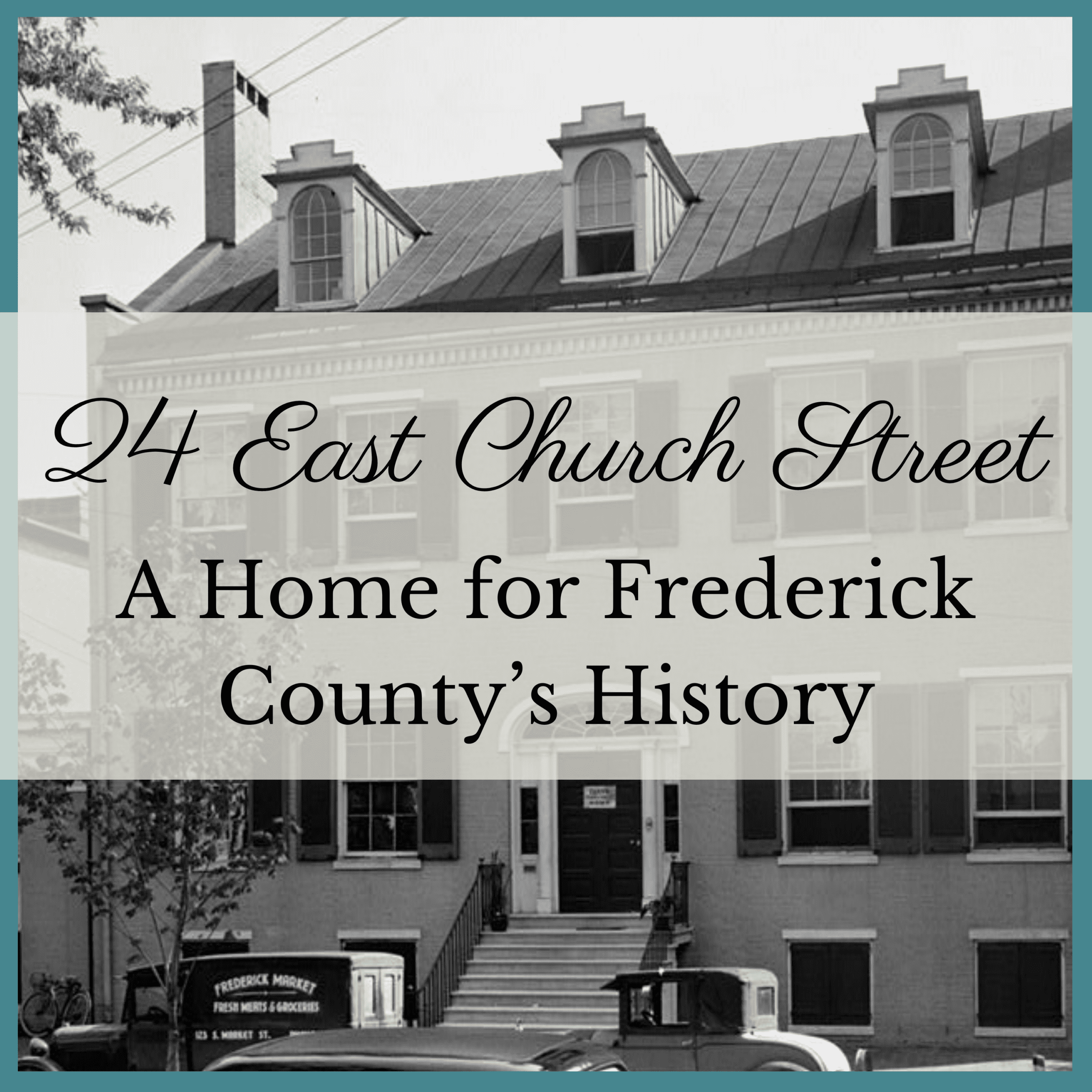
Constructed between 1824 and 1826, the Federal styled building which Heritage Frederick has called home since 1960 has a multi-generational link to Frederick County’s history. The very ground on which the building stands can be traced back to the ownership of John Thomas and Margaret Schley, Frederick’s first permanent European settlers. Before their arrival, it was home for thousands of years to Indigenous people who inhabited the Monocacy River Valley.
This exhibit explores the varied experiences of the people who called this building home, from its builders and owners to enslaved people who worked at the property and orphaned girls who grew up in this house. 24 East Church Street is an evolving story, informed by artifacts, ongoing documentary research, and archaeological efforts on this property at the heart of Frederick.
24 East Church Street: A Home for Frederick County’s History is a long term exhibition.
Etchison Connections
A Family’s Hand in Frederick’s Evolution
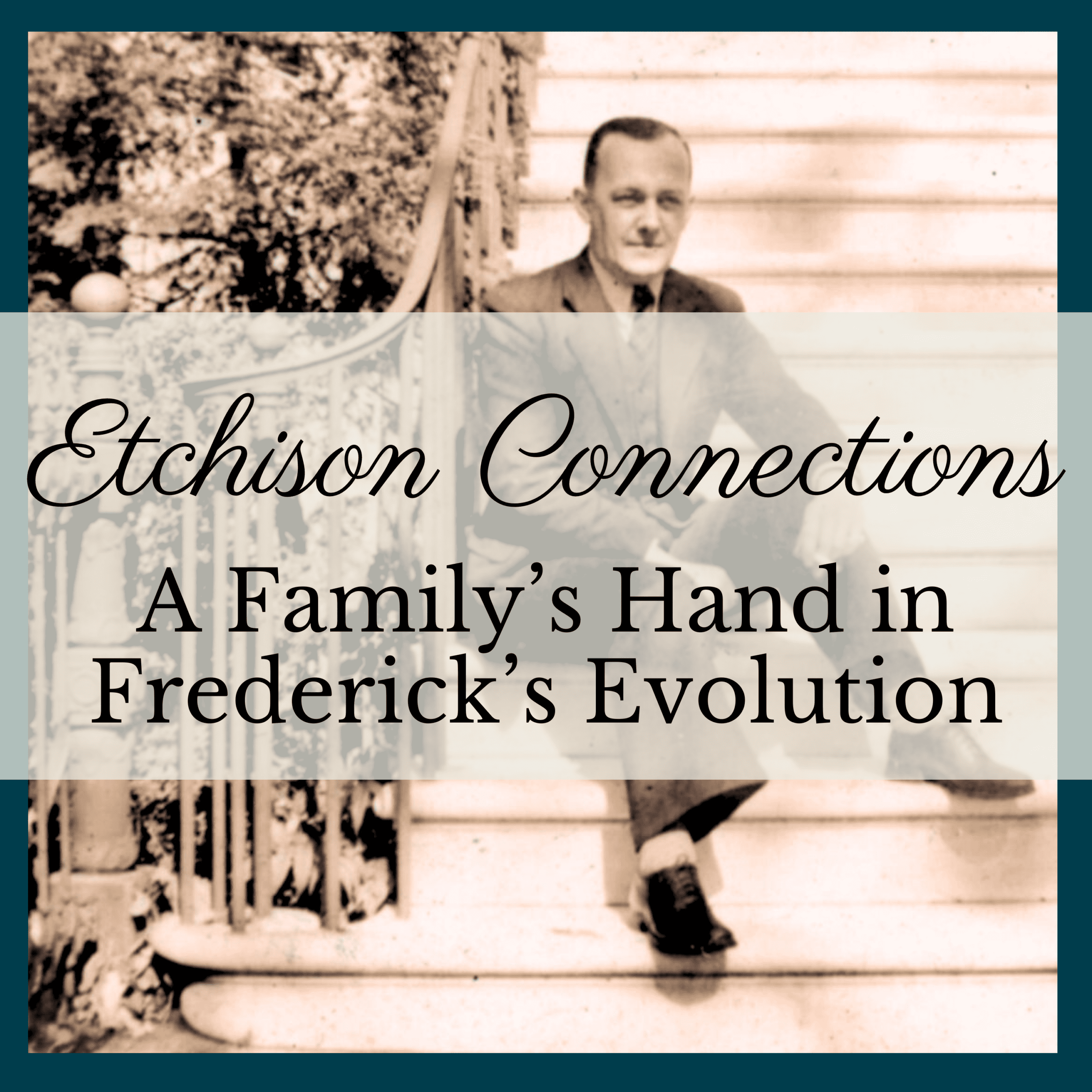
Frederick County was built through the ingenuity, determination, and vision of generations of local families like the Etchisons. From the end of the Civil War through the mid-twentieth century, three generations of Etchisons were integrally involved in the industrial, civic, and commercial development of Frederick. Etchison Connections explores the family’s furniture and undertaking business, involvement with fraternal organizations, industries, civic institutions, and the public library as well as the stories of their colleagues in these endeavors.
A lasting legacy of the Etchison’s place in Frederick’s story is the extensive collection of artwork, antique furniture, archival resources, and a unique assemblage of early-nineteenth century lusterware which were given to Heritage Frederick by the Estate of Marshall Lingan Etchison in 1960. These beautiful artifacts of Frederick’s history are displayed in concert with the Etchison’s story in this exhibit.
Etchison Connections: A Family’s Hand in Frederick’s Evolution is a long term exhibition.
Frederick County Decorative Arts
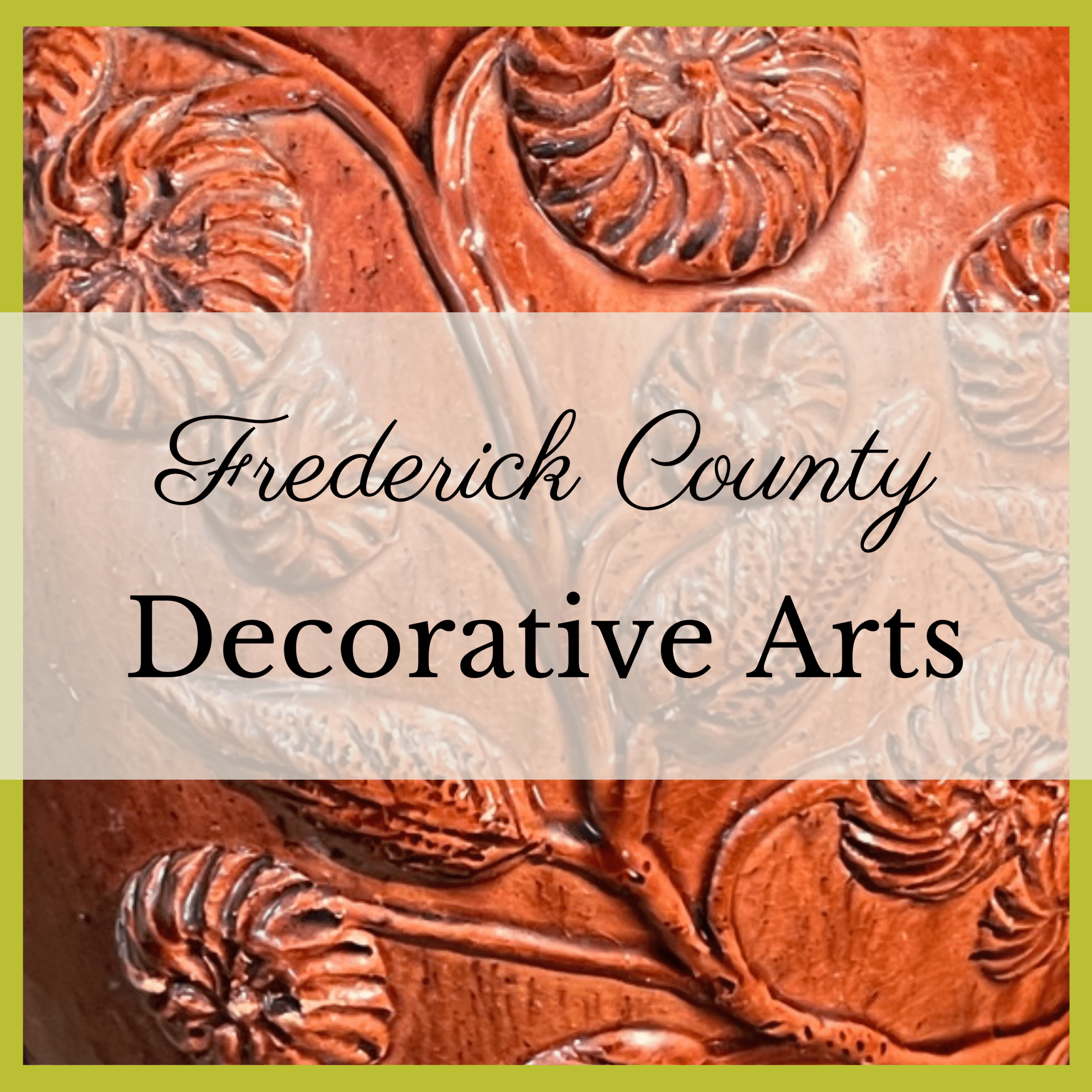
Since the earliest days of European colonization, Frederick County has been a crossroads of diverse cultural experiences and traditions. Frederick’s position as a market town in the growing Piedmont Region of eighteenth century Maryland encouraged skilled artisans and craftspeople to settle and work in this community. The material culture of our county, from everyday utilitarian goods to finely-crafted luxury furnishings, reflects the blending of skilled English, German, and African craftwork and decorating styles.
Upon this foundation, generations of cabinetmakers, glassblowers, clockmakers, artists, potters, and textile manufactures continued producing both fine and utilitarian goods for centuries thereafter. Frederick County Decorative Arts illustrates this rich tradition with locally-produced furniture, clocks, glassware, silverware, metalwork, textiles, and portraiture.
Frederick County Decorative Arts is a long term exhibition.