

Indigenous Native American peoples lived, hunted, and traded through the Monocacy and Catoctin Valleys for centuries before European colonization. They built complex economic connections to other cultures residing in the Chesapeake Bay in the east and the Ohio River Valley in the west. The land we recognize today as Frederick County was valued by indigenous people for its fertile soil and natural resources, including rhyolite, a volcanic rock that was useful for creating tools. This rock is plentiful in the Catoctin Mountains.
The Piscataway lived for centuries in the marshy woodlands of the western shore of the Chesapeake Bay and tidal Potomac River. Forced from their homelands by the colonization of Maryland in 1638, the Piscataway migrated up the Potomac to the area of present-day Point of Rocks. Ravaged by smallpox, the Piscataway traveled further north into Pennsylvania where they joined other nations of the Iroquois Confederacy in the 1720s. They were followed by the Tuscarora, another tribe displaced from their homeland, who migrated through the backcountry from South Carolina north through Frederick County into Pennsylvania.

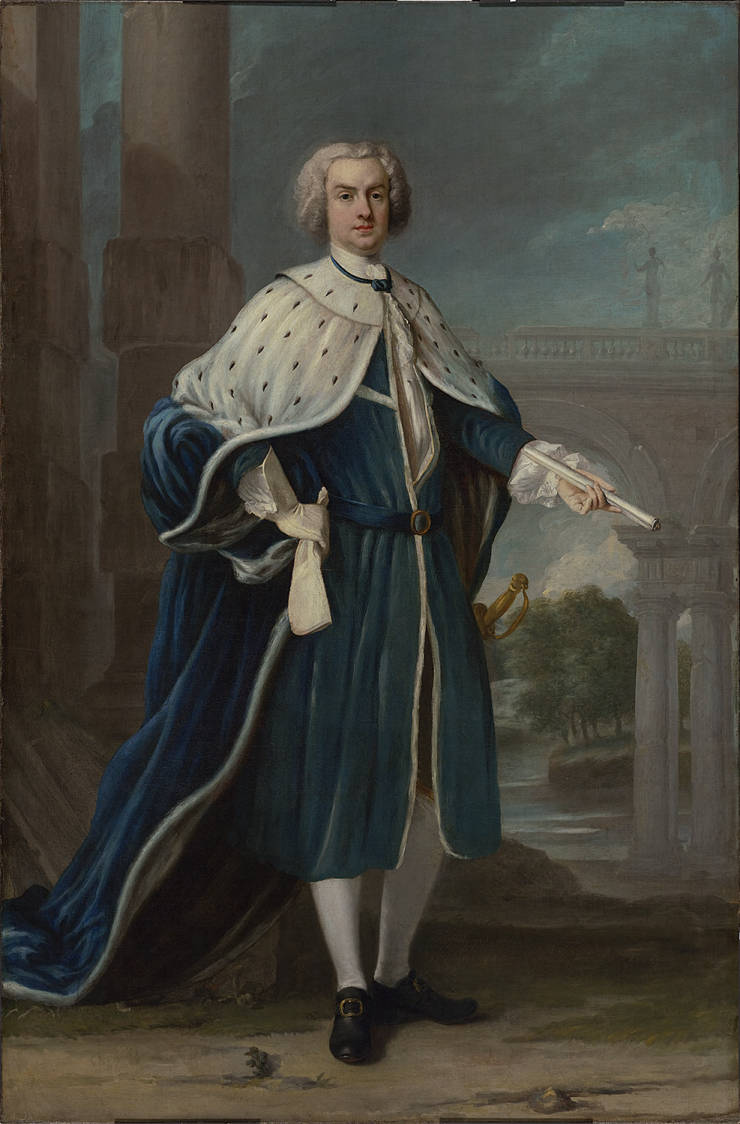
Intent on expanding its colonial possessions in North America beyond the coastline, Great Britain encouraged settlement of the backcountry. Charles Calvert, fifth Baron Baltimore, published letters in 1732 encouraging Germans to come to Maryland and settle in the northwest region of the colony. Lord Baltimore hoped to establish a thriving center of production, agriculture, and trade that would cement Maryland’s claim amid growing territorial disputes between Pennsylvania, Virginia, the French, and Indigenous Native Americans living beyond in the Allegany Mountains.
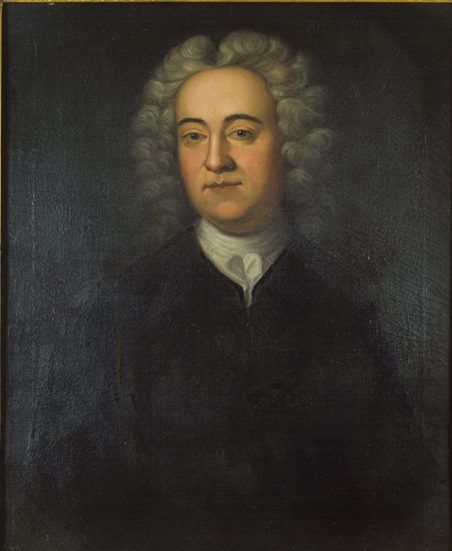
Daniel Dulany, an Irish-born lawyer, land speculator, and member of the colonial government, purchased a 7,000 acre tract called “Tasker’s Chance” in 1745 in the heart of the Monocacy Valley. He laid out a market town named in honor of Frederick Calvert, the son of Charles Calvert and future sixth Baron Baltimore. Frederick County was formed from lands formerly belonging to Prince George’s County in 1748, extending from Georgetown to the border with Pennsylvania and all the way to the western end of Maryland. Frederick Town became the seat of the new county court.
Frederick County attracted hundreds of settlers who migrated south from Pennsylvania following a route known as the Monocacy Road. Dulany encouraged these settlers to bring their families, offering lots to German Reformed and Lutheran congregations as well as the Anglican Church for English settlers.


Competing imperial interests of Great Britain and France in North America ignited a global conflict known as the Seven Years or French and Indian War. Control of the Ohio River Valley was a key point of dispute in this conflict. In 1754, the French built Fort Duquesne at the beginning of the Ohio River, the site of the future City of Pittsburgh, Pennsylvania.
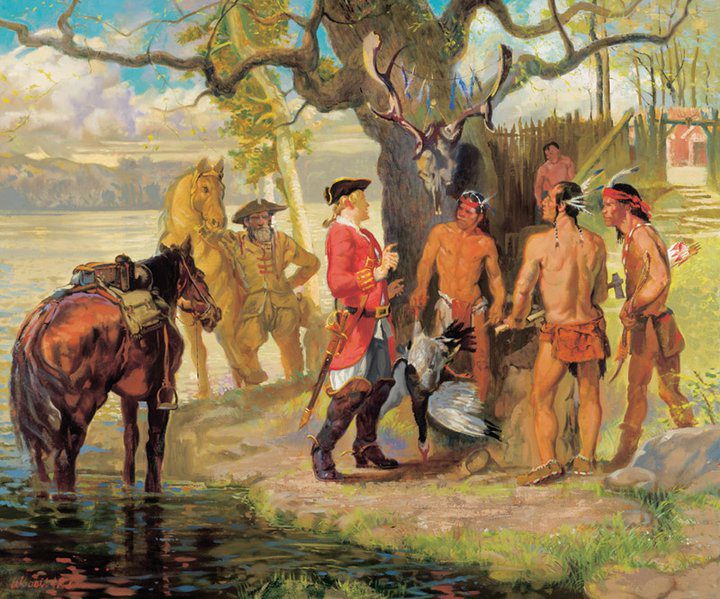
British troops assembled at Fort Cumberland in April 1755 to embark on a campaign to capture Fort Duquesne. General Edward Braddock, Commander-in-Chief of British forces in North America, stopped in Frederick Town to make arrangements for the campaign. He met with Colonel George Washington of the Virginia Militia who was familiar with the region from his work as a surveyor. Washington was appointed General Braddock’s aide-de-camp. General Braddock also met with Benjamin Franklin, Postmaster General of British North America, to obtain wagons and supplies. Franklin warned of the danger that lay ahead; Braddock reportedly rebuffed the advice. The expedition ended in disaster, with General Braddock and about 500 British soldiers left dead.
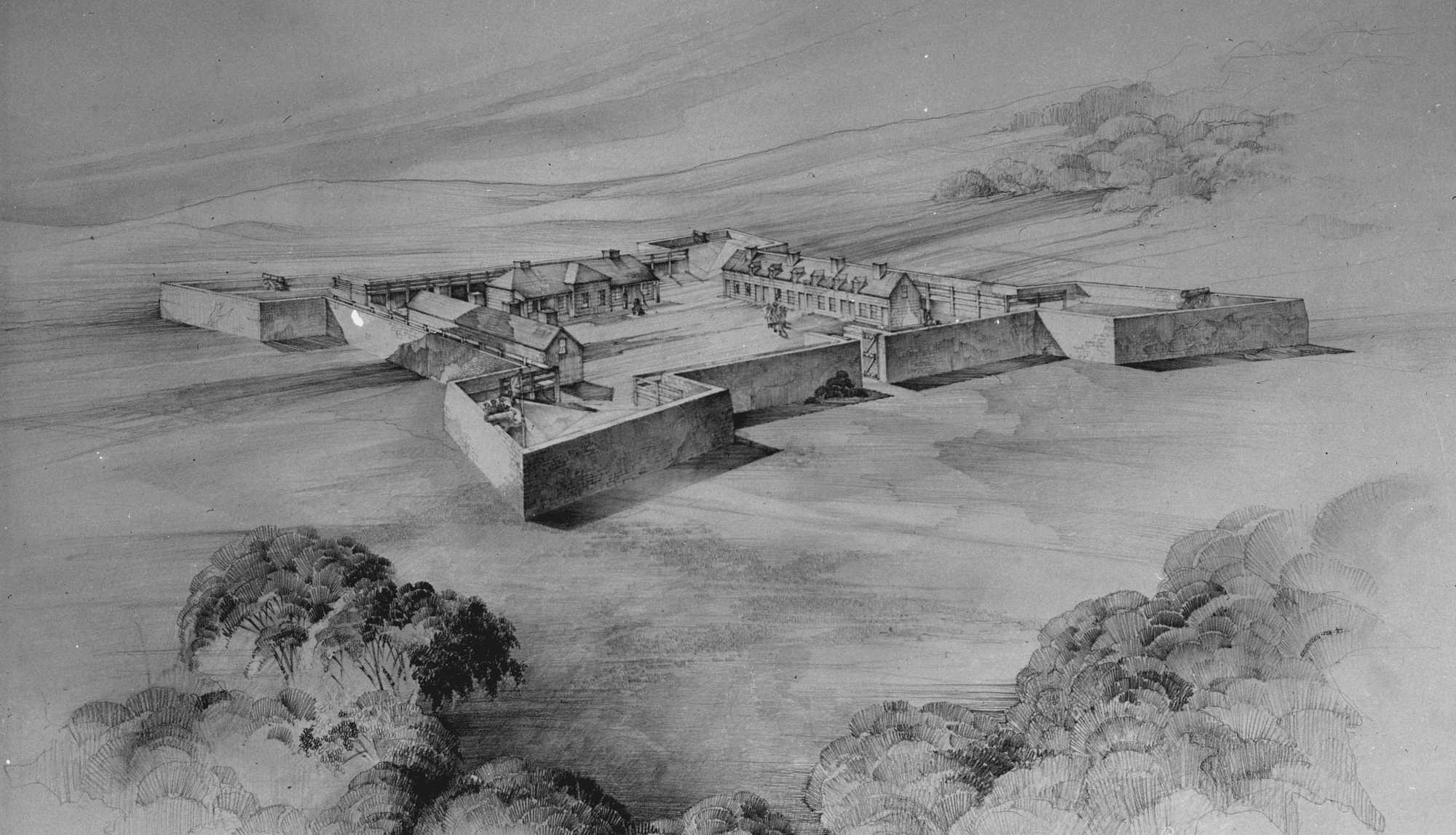
In western Frederick County, near the town of Clear Spring, a stone fortification was built in 1756 to protect settlers in the area and provide a staging base for the militia. Fort Frederick witnessed raids by the French-allied Shawnee and Lenape (Delaware) Indians in 1757/58, forcing local settlers to flee east across South Mountain to safety further away from the warfront.

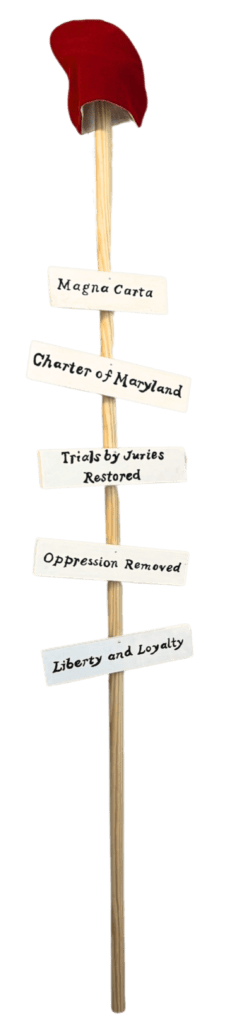
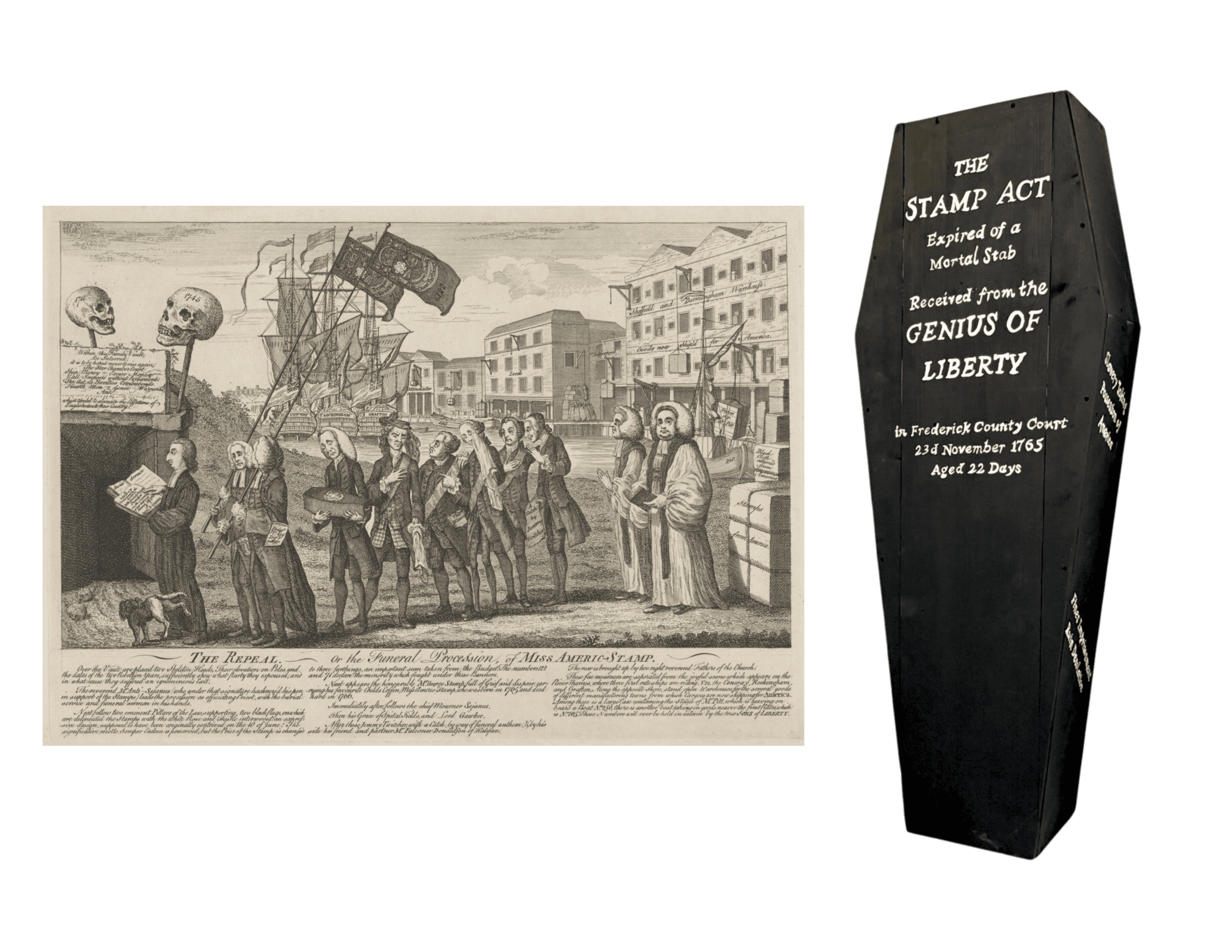
The British victory in the French and Indian War was costly and Parliament imposed new taxes as a means to pay off the debt. Two acts particularly impacted Frederick County.
The Currency Act barred the colonies from issuing their own paper currency, restricting access to hard money that was already scarce in Maryland. The colonial economy had long relied on crops, especially tobacco, for a proxy currency, but most Frederick County farmers grew little to no tobacco due to the local soil and climate conditions.
The Stamp Act of 1765 required the use of paper that carried a stamp, for which a tax was paid, to be used for any official business, including newspapers and pamphlets. In November 1765, having yet to receive any stamped paper to comply with the new act, the twelve judges forming Frederick County’s court resolved that they would not require the stamped paper to be used and ordered the court to resume its business. This act of defiance has been celebrated as Repudiation Day, which is still an official holiday in Frederick County.
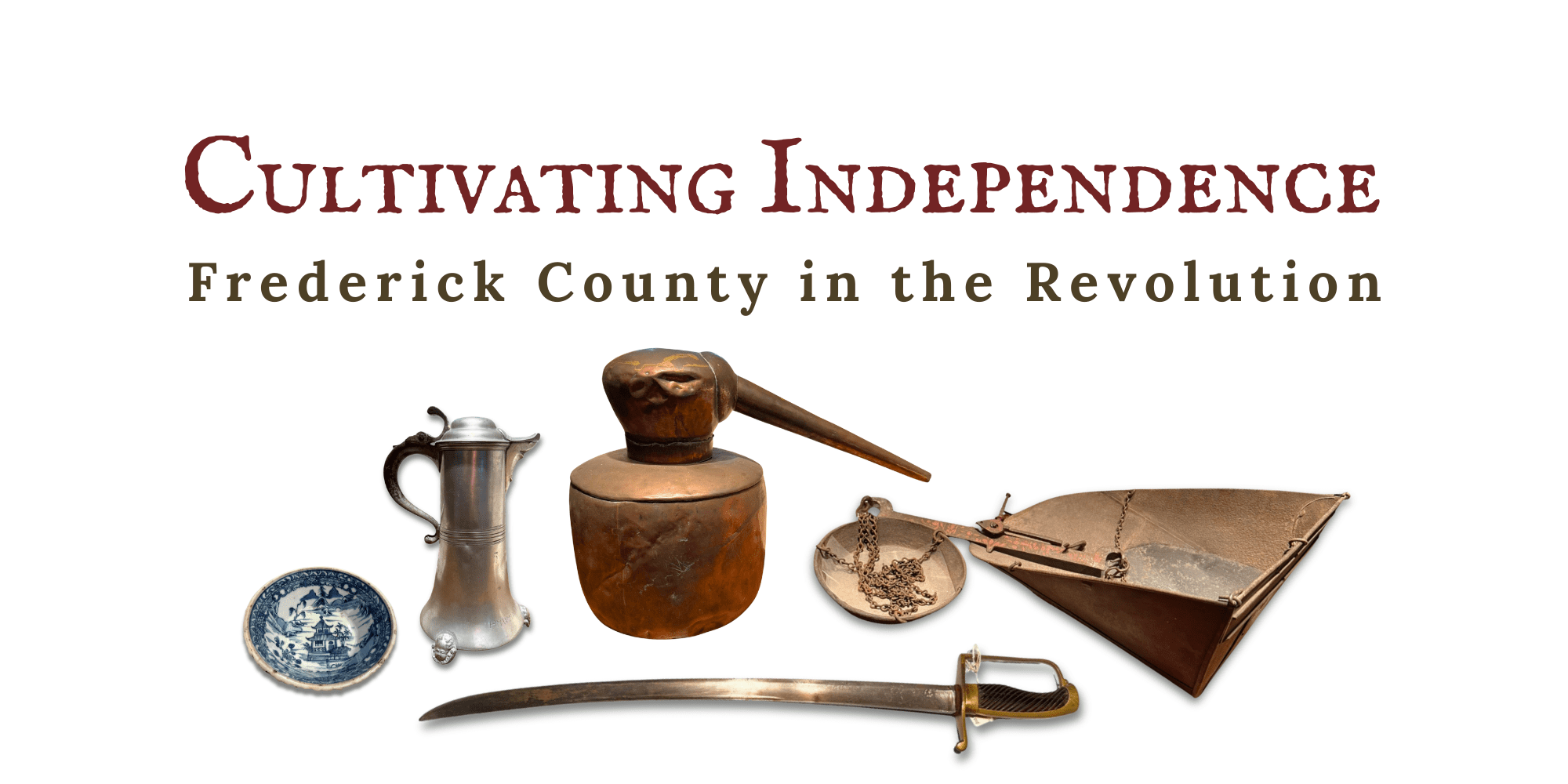
The transatlantic trade system ensured that the North American colonies relied on imported goods from the British Empire in exchange for the raw materials grown or harvested in the colonies. This small tea bowl and plate were made in China, likely purchased through a London merchant by Thomas Johnson from the profits derived from the crops cultivated by enslaved laborers on his plantations in Frederick County.
Enraged by the punitive taxes imposed on imported goods, a growing economic resistance movement took root in the colonies. The first non-importation society in Frederick County was formed in August 1770 at Toms Creek (near Emmitsburg). On June 20, 1774, the Frederick Resolves were adopted at a mass convention held in Frederick Town, calling for widespread boycotts of British merchants and declaring support for the people of Boston in response to the closure of their port following the Boston Tea Party.
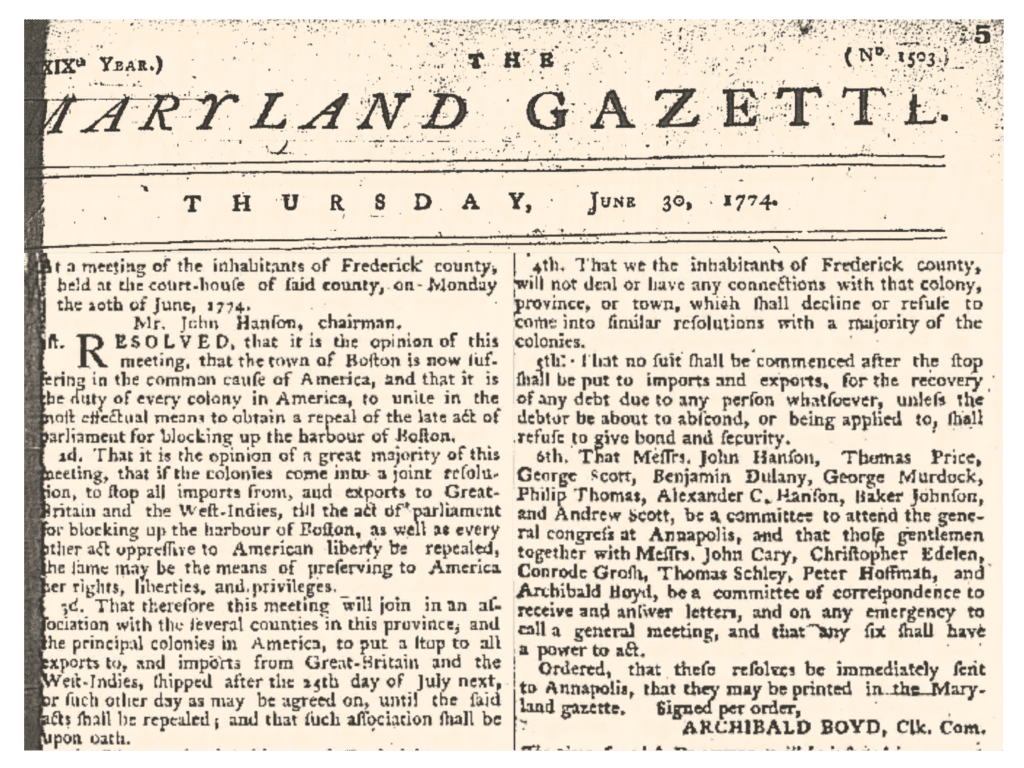


When the first shots of the Revolutionary War were fired at Lexington and Concord in April 1775, Maryland responded to the call of the First Continental Congress to raise militia units and organize local resources to support the patriot cause.
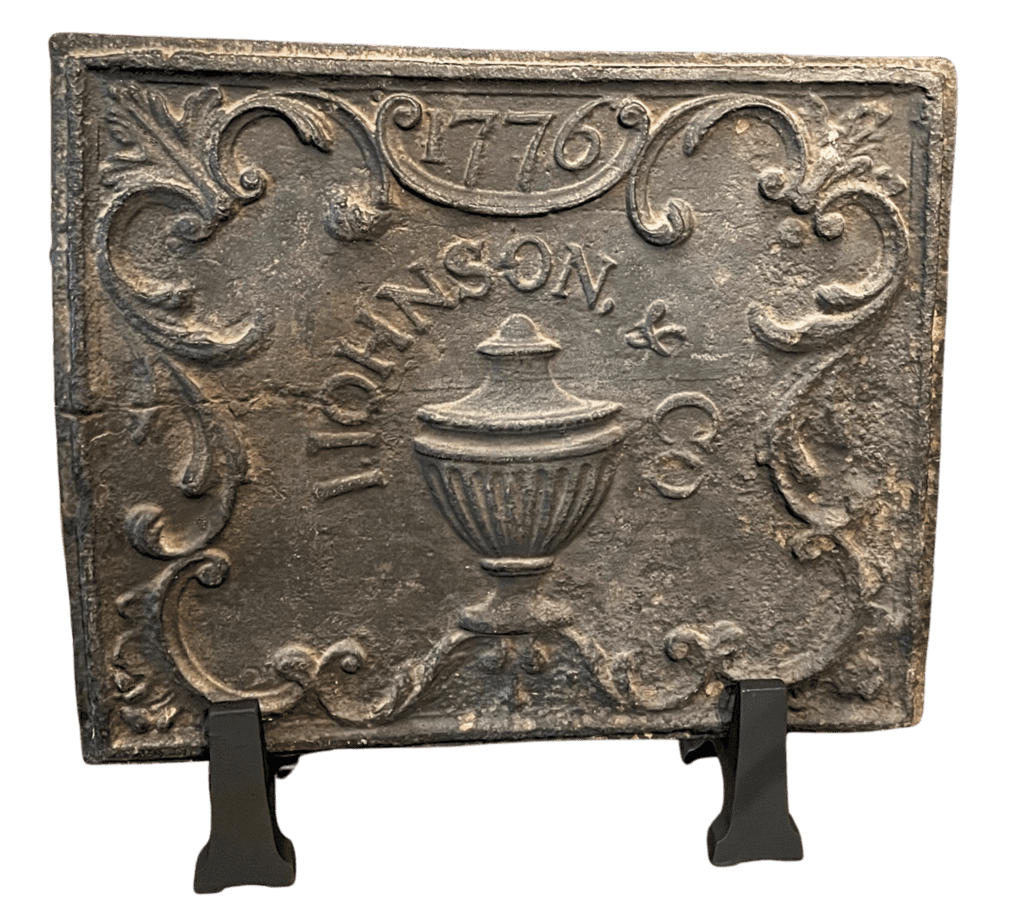
Brothers James, Thomas, Roger, and Baker Johnson established an iron furnace in northern Frederick County near Mechanicstown (Thurmont) in 1776. Thousands of acres in the Catoctin Mountains were acquired to provide ore and fuel for the furnace. An enslaved workforce of skilled laborers cut timber, produced charcoal, and operated the furnace and casting sheds. The first order for bombshells for the Continental Army was received at the furnace in 1776.
On February 13, 1777, Thomas Johnson was elected the first Governor of the State of Maryland. In the summer of his first term in office, the British fleet sent by General Howe arrived in the Chesapeake, including among its 17,000 men the Bayreuth Regiment. Governor Johnson issued an appeal to Marylanders to repel the invasion. A new jail, powder magazine, and barracks for quartering the militia were erected in Frederick Town with funds appropriated by the General Assembly during Governor Johnson’s administration.
The Committee of Observation assumed oversight of the local militia and supplies stored in Frederick Town in 1775. Ten local militia companies of nearly 650 officers and privates were formed in late-1775, including one unit under command of Captain Peter Mantz.
Born in Pennsylvania in 1752, Peter Mantz came to Frederick as a child with his parents Johann Casper Mantz and Anna Christina Heim Mantz. His father acquired land from Daniel Dulany the Younger in 1764 and established a general store on East Patrick Street. Artifacts from Peter Mantz’s Revolutionary War service passed down by his descendants include his sword.

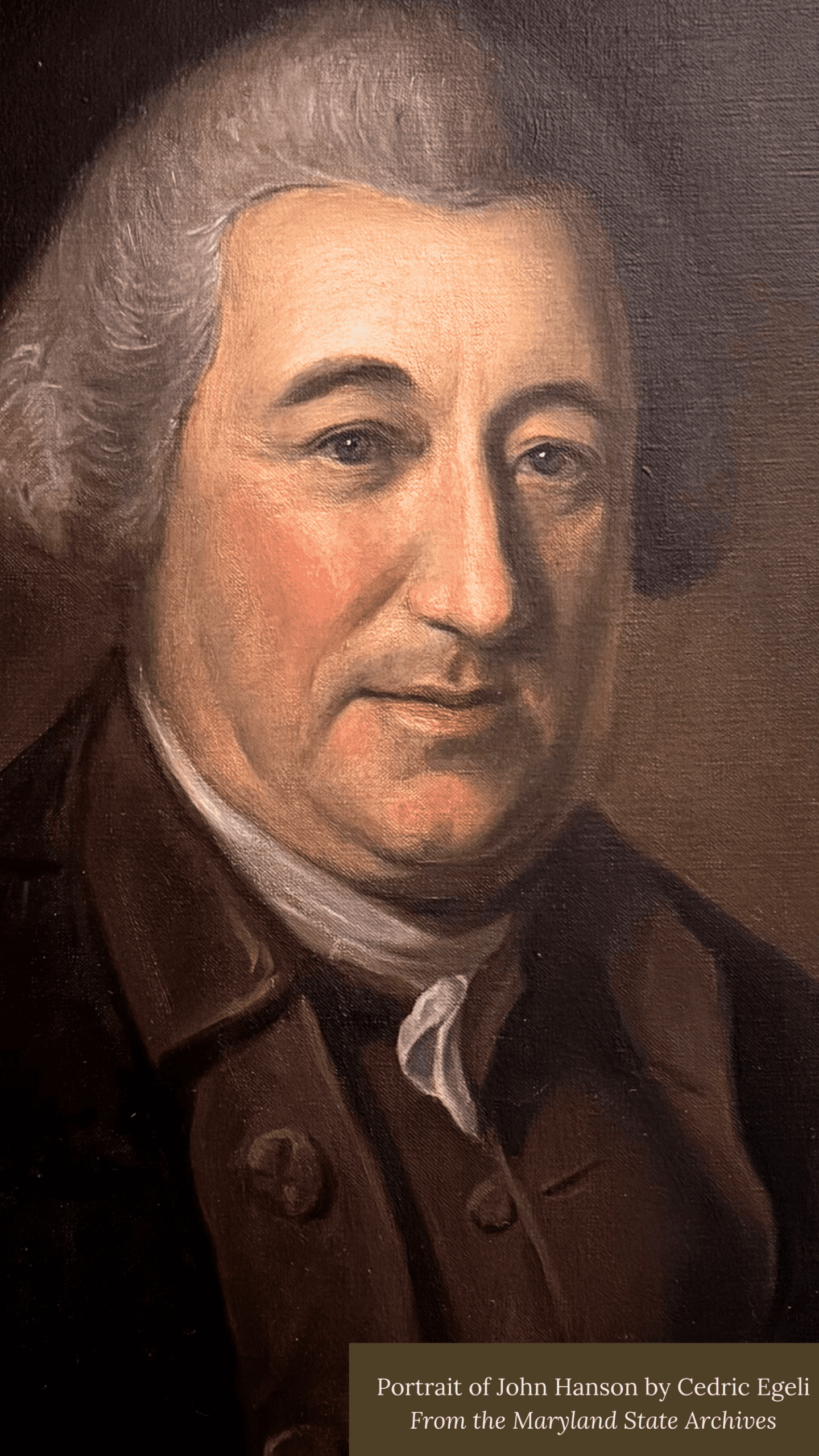
John Hanson was a lawyer, merchant, and local government official. He was elected the first chair of Frederick County’s Committee of Observation in 1775, then served as a loan officer helping to transmit funds to the Continental Army. Hanson was elected to represent Maryland in the Second Continental Congress in 1780 and was a signer of the Articles of Confederation. He served a term as the President of the Confederation Congress from 1781 to 1782.
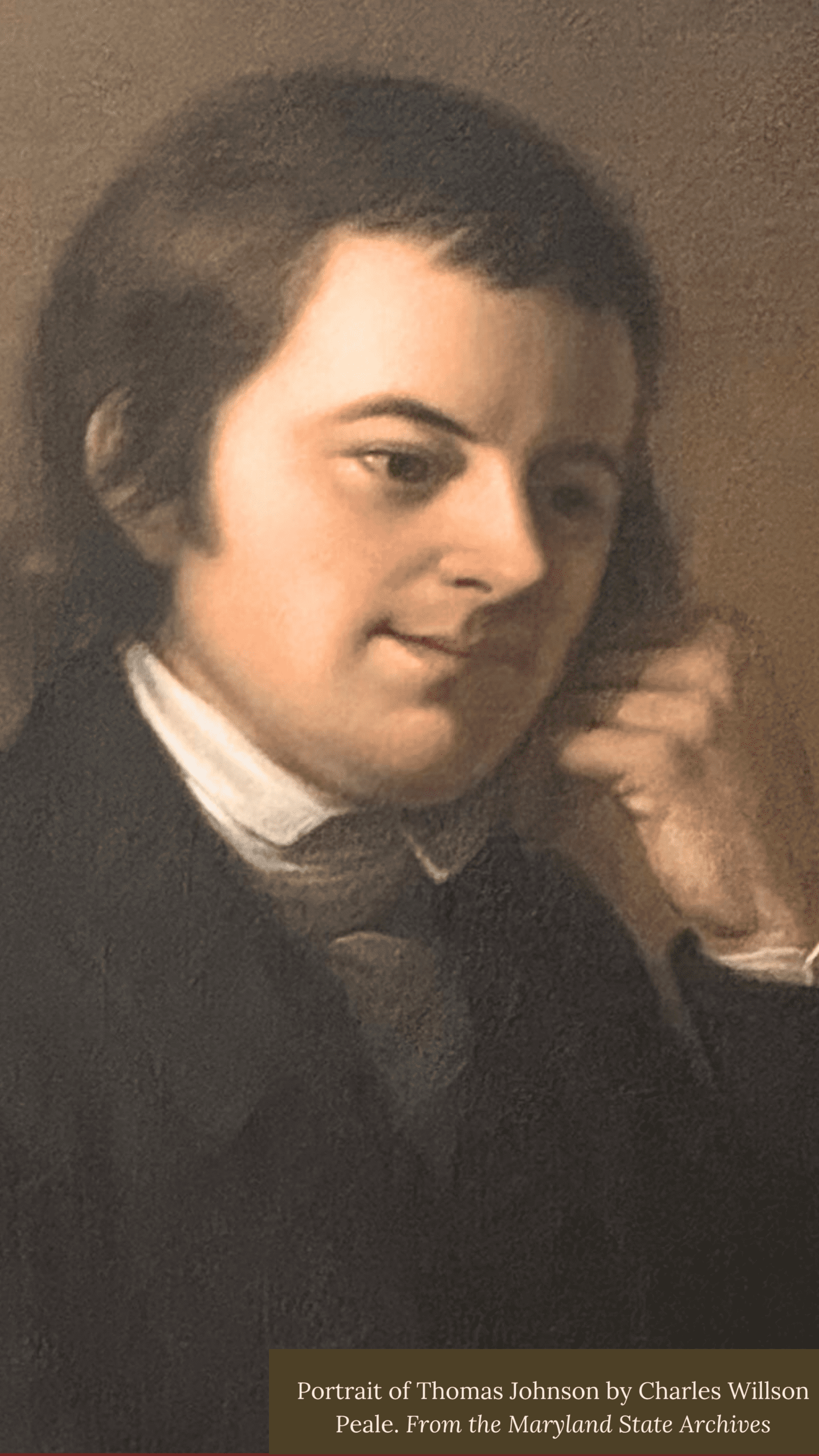
Thomas Johnson oversaw a large network of plantations and industries, relying upon enslaved labor. He was elected to the First Continental Congress and nominated George Washington for Commander in Chief of the Continental Army. Johnson was made a Brigadier General and led the Flying Camp regiment of 1,800 Marylanders to Washington’s aid in New Jersey in 1776. Johnson served as Maryland’s first elected governor from 1777 to 1779. He was instrumental in Maryland’s ratification of the U.S. Constitution as a member of the General Assembly.
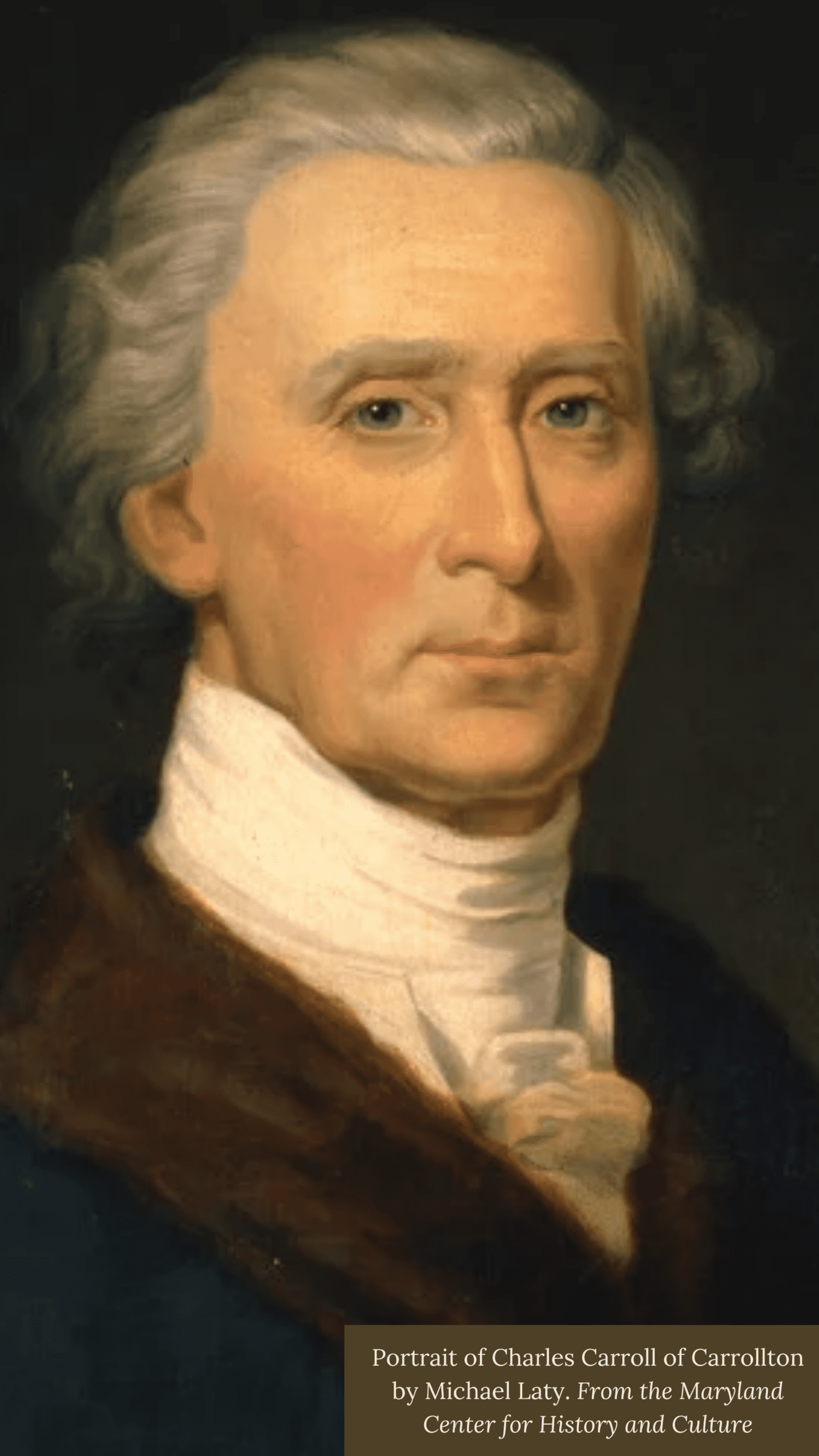
Charles Carroll of Carrollton was born into one of Maryland’s wealthiest families and inherited a manor of over 10,000 acres in southeastern Frederick County. He enslaved between 400 and 500 people during his lifetime. As a Catholic, Carroll was barred by law from public office before the Revolution, but he expressed his patriotism in public debates with loyalist Daniel Dulany the Younger, published in The Maryland Gazette. Carroll helped to write Maryland’s first state constitution and was a signer of the Declaration of Independence.
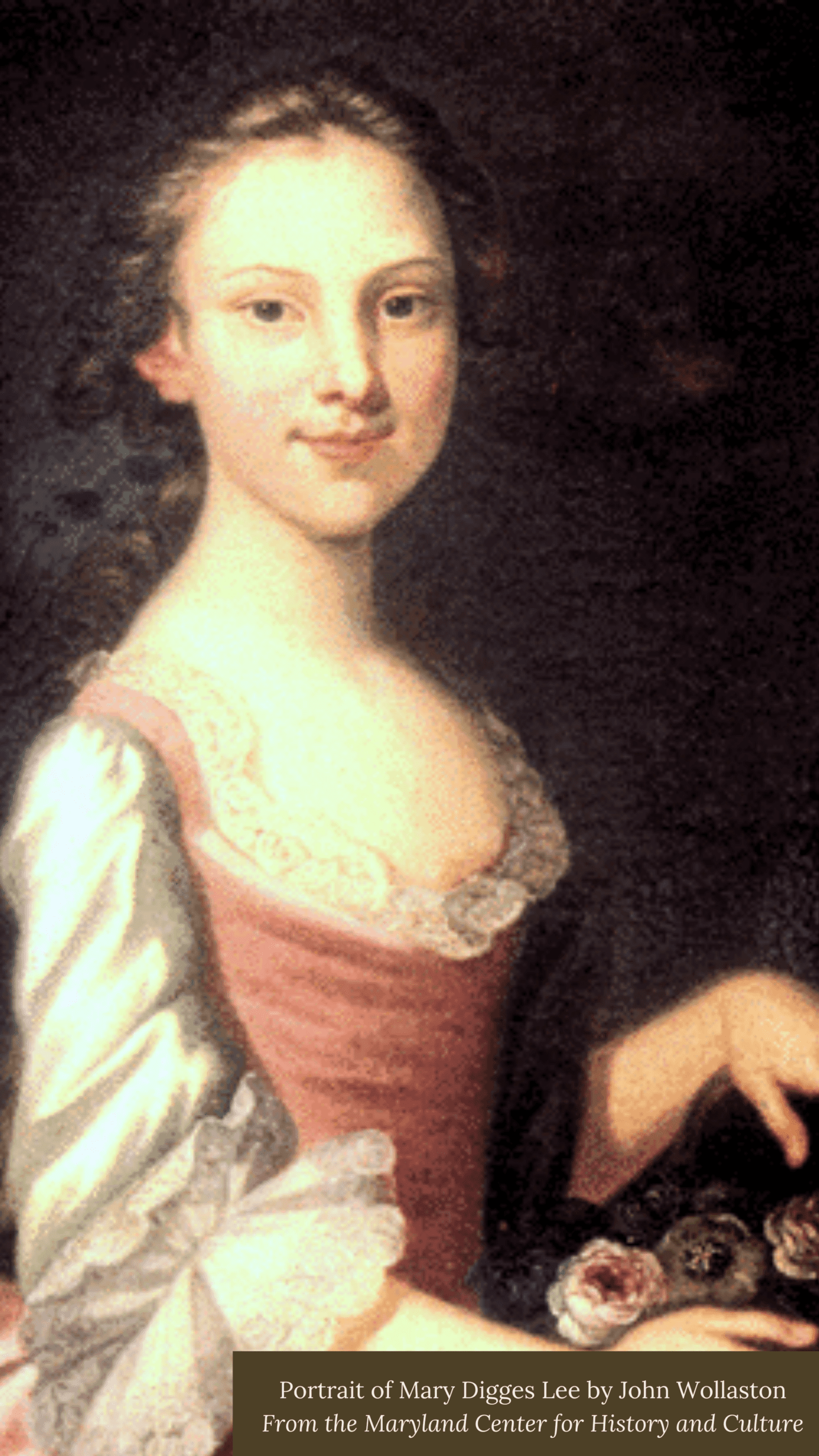
Mary Digges Lee was First Lady of Maryland from 1779-1782 and 1792-1794. During the extremely harsh winter encampment of the Continental Army at Morristown, New Jersey, in 1779-80, General Washington appealed to Maryland’s Governor Thomas Sim Lee for aid to help feed and supply the troops. Mary Digges Lee employed her social standing among the women of the state to raise funds and secure linen for shirts to be delivered to Morristown. General Washington thanked Mary Digges Lee for her leadership and expressed his gratitude for the “patriotic exertions of the ladies of Maryland in favor of the army.”

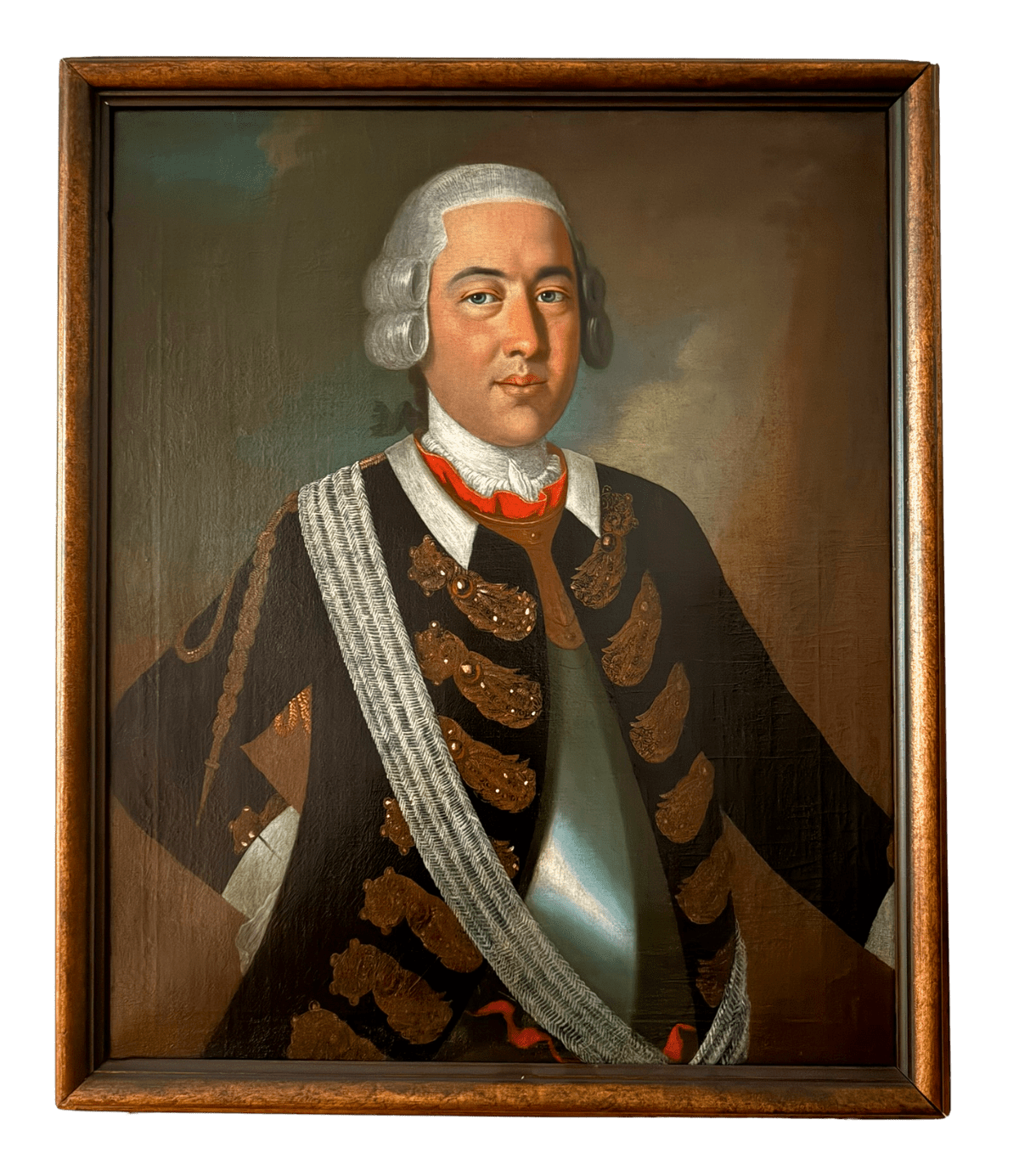
Maryland’s first governor, Thomas Johnson, was succeeded by another Frederick County planter, Thomas Sim Lee, who was elected governor in 1779. Governor Lee owned a large plantation near Burkittsville in southwestern Frederick County called Needwood, where he enslaved over 100 men, women, and children to work in his fields, shops, and household.
In the winter of 1779, General George Washington and the Continental Army were encamped at Morristown, New Jersey. General Washington appealed to the people of Maryland through Governor Lee for support for his men in light of their severe lack of supplies and the bitter winter weather. Frederick County farmers answered Governor Lee’s call for increased shipments of flour to feed the starving troops. During the following summer of 1780, Frederick County farmers were asked to thresh their wheat earlier than usual in order to continue supplying the army with more flour.
The latter years of the Revolutionary War put increasing pressure on Frederick County. In 1781, British and German prisoners of war captured at the Battle of Saratoga were brought to Frederick and quartered in the newly-built barracks. Providing food and provisions for these soldiers overburdened Frederick County’s farmers who had already sent most of their grain crops to supply the Continental Army. Appeals from local officials to Governor Lee and the General Assembly in Annapolis conveyed the severity of food shortages and after two months, the prisoners were moved out of Frederick to York, Pennsylvania.
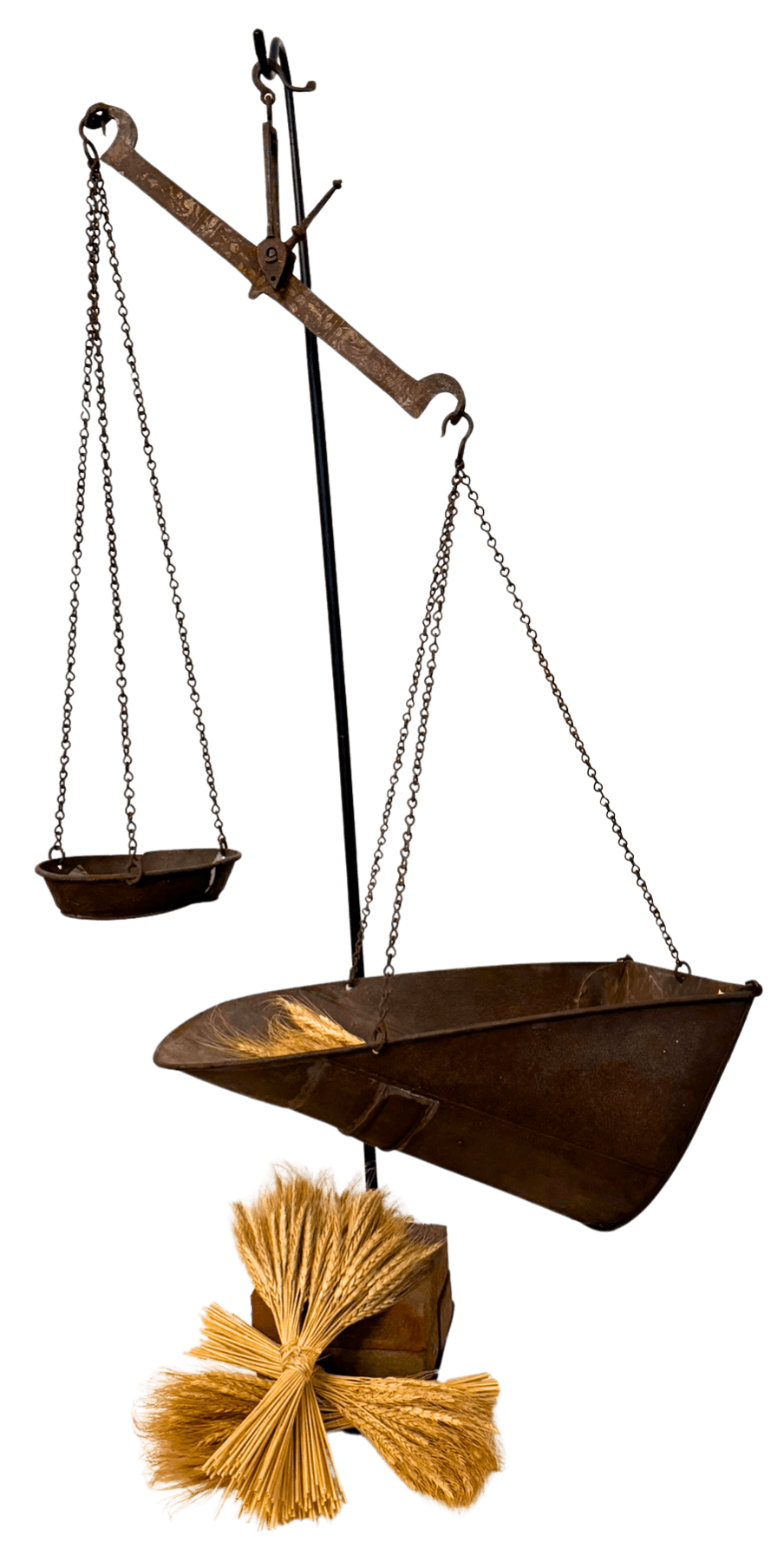
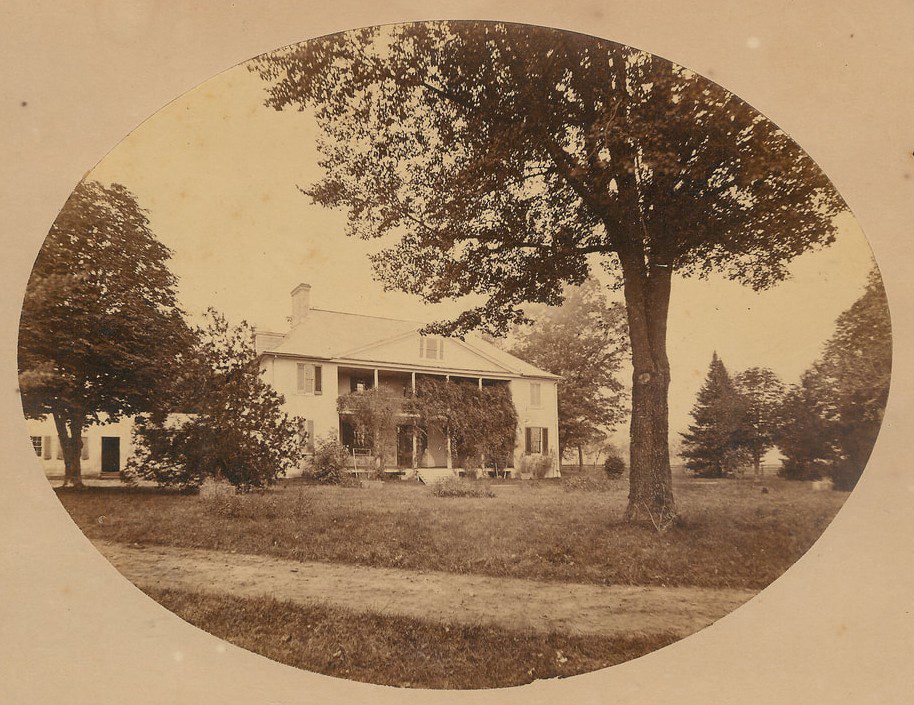
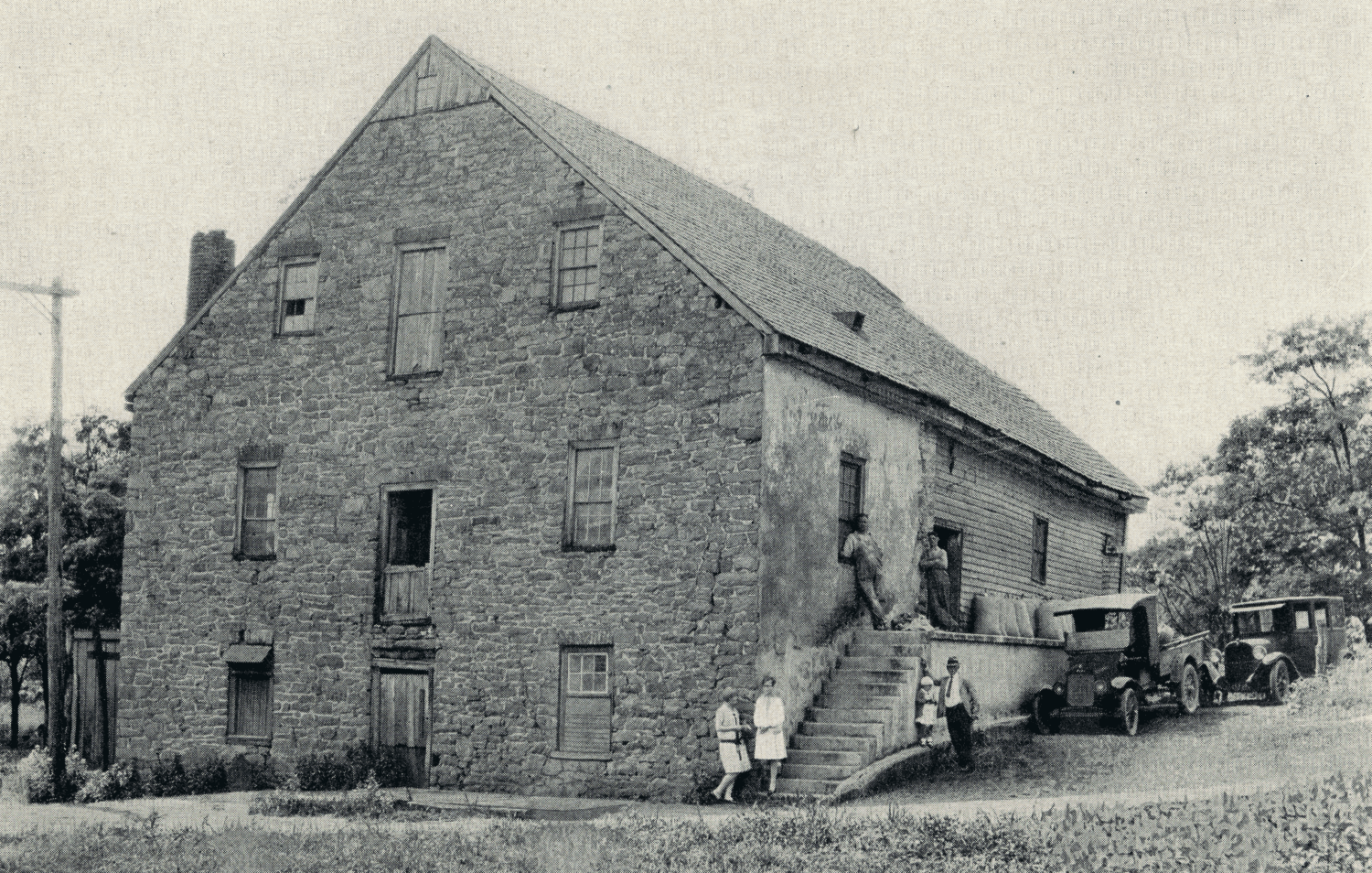
The Feaga (pronounced like figgy) Mill near Yellow Springs along Tuscarora Creek was one of over a hundred flour mills to operate in Frederick County during the height of the grain trade. Philip Feaga was a Hessian soldier who came to Frederick as a prisoner at the end of the Revolution. Feaga milled flour and processed flax seed into oil that was used for lighting, producing paint, tanning, and medicinal purposes. Feaga’s descendants continued operating his mill for over a century, adding a sawmill to process lumber cut from nearby Catoctin Mountain.
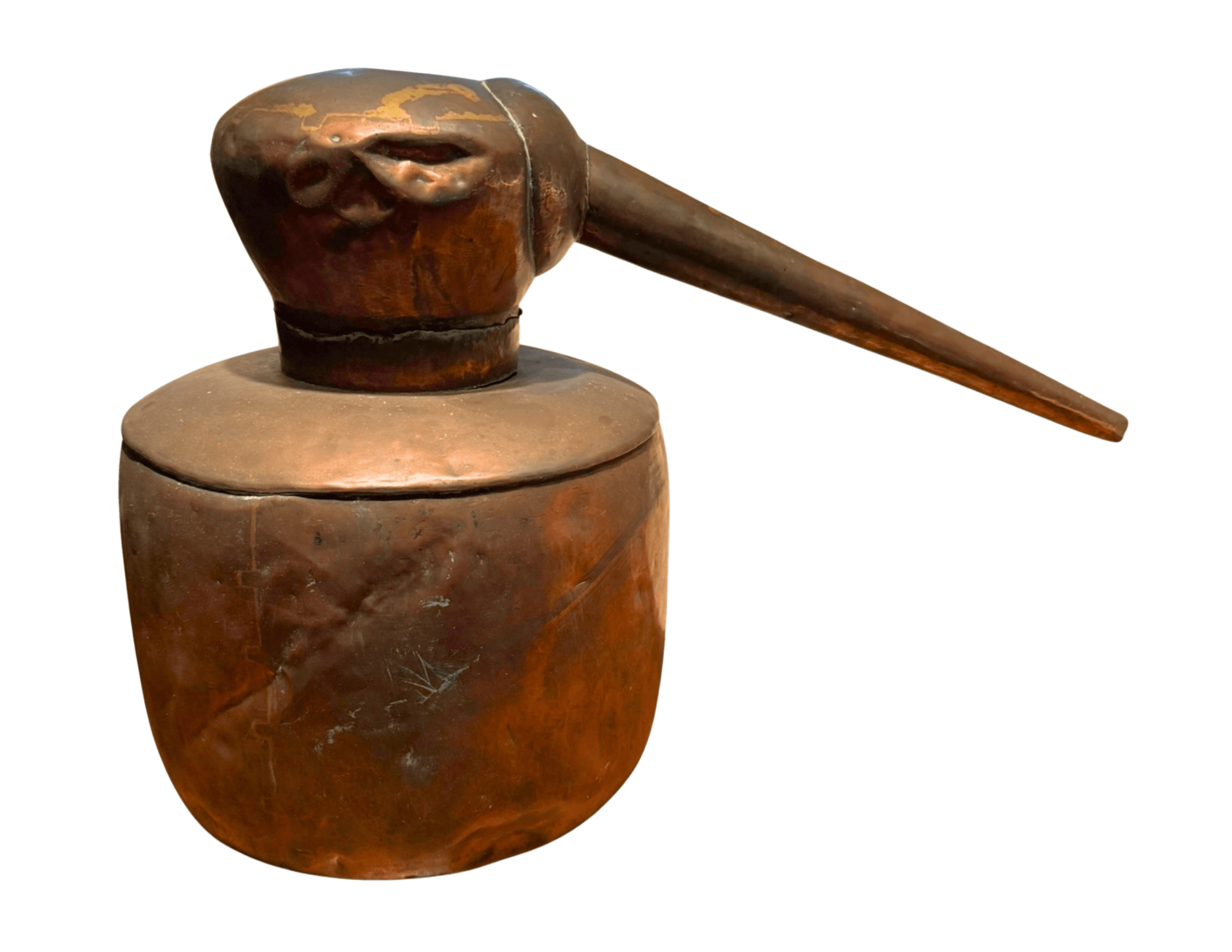
Enslaved laborers at plantations like Rose Hill Manor and Needwood tilled fields, cultivated grains, including rye, and worked to process it into the various products, like whiskey. The grain industry supported nearly 400 stills which operated in Frederick County by the year 1800. Alcoholic beverages processed from rye and barely were a durable product local plantations could sell to supplement their income from the sale of flour and meal.

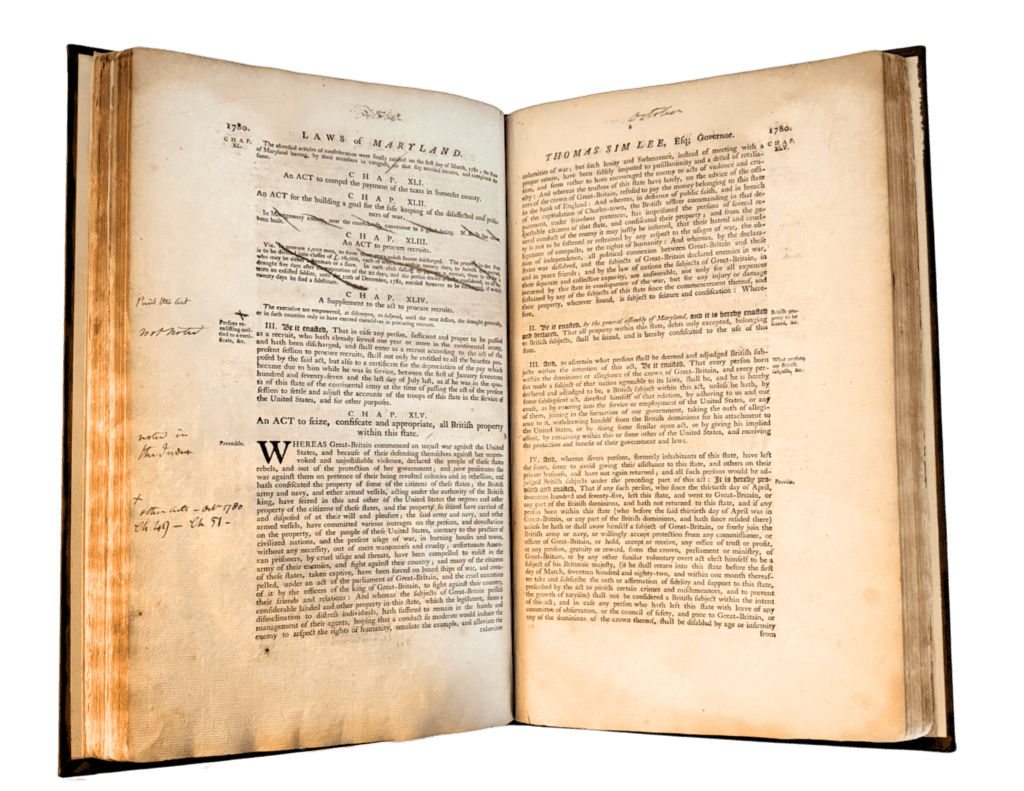
Tories (people loyal to the British during the Revolution) were imprisoned in Frederick Town throughout the war. In 1781, seven local men from Frederick and Washington Counties were arrested on suspicion of conspiring to free British prisoners of war, allowing them to return to military service. The men were convicted and three, Yost Plecker, Peter Suman, and Casper Fritchie, were executed in Frederick on August 17, 1781.
Suspicions of disloyalty impacted local families who belonged to the German Baptist Church, which encouraged pacifism among its members. German Baptists appealed to the Committee of Observation for an exemption from militia service, to which they agreed, so long as each claimant contributed financially to the patriot cause. Some families, unwilling or unable to pay for this exemption, sold their property out of fear of retaliation and moved out of Maryland at the end of the war.
The threat of confiscation became reality for the Dulany family. In October 1782, dozens of town lots in Frederick and 7,000 acres of surrounding land once owned by the Dulanys was sold by order of the Maryland General Assembly in light of their continued loyalty to the British.

1,400 German soldiers, surrendered by Lord Cornwallis at Yorktown, were brought to the Frederick Town Barracks as prisoners in January 1782. They endured overcrowded conditions in the barracks and local authorities struggled to provide adequate provisions for them, leaving some of the German prisoners to seek employment with local farmers and merchants. During the summer of 1782, the soldiers were offered freedom to remain in the United States for the cost of £30 or $80. Johann Conrad Engelbrecht secured his freedom and opened a tailor shop in Frederick Town. The remaining majority of German prisoners left Frederick in April 1783 and returned to Germany after the signing of the Treaty of Paris.
Frederick County prospered after the Revolution. Wheat continued to drive the local agrarian economy and over 100 mills operated across the county to process and ship flour throughout the United States and Europe. The iron industry grew alongside new glass factories, paper mills, and woolen factories. Towns grew with craftspeople producing furniture, clocks, metal wares, textiles, and ceramics. The opening of turnpikes across the county in the early-19th century connecting east coast ports with expanding markets in midwest territories led to the growth of tanning as the leading manufacturing industry in Frederick County.
Frederick County surpassed 40,000 residents in 1820, making it the second largest population center in the State of Maryland, behind Baltimore City. 6,685 of those people lived as enslaved laborers, and 1,777 represented a growing free Black community.
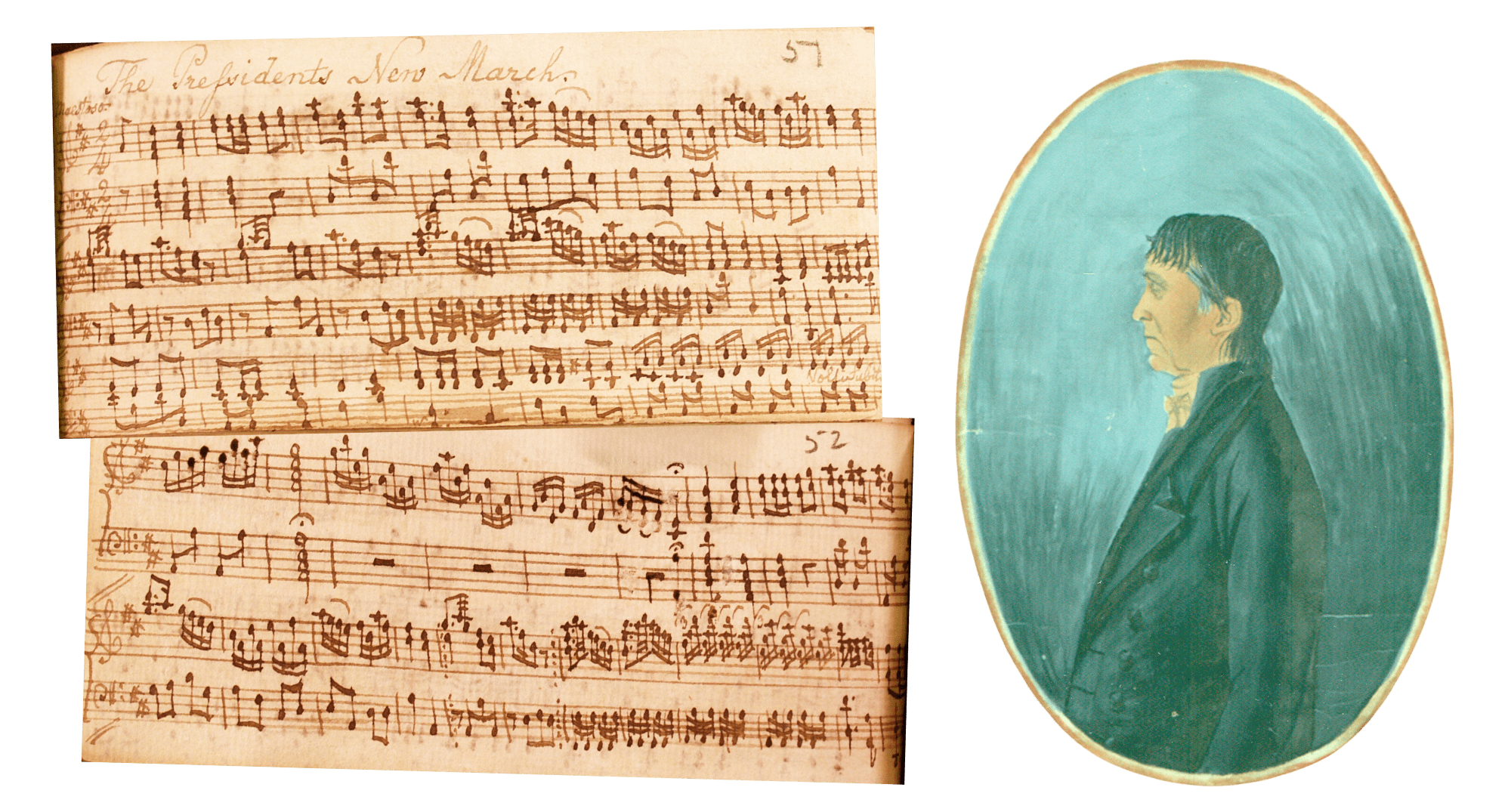
John Thomas Schley led one of the first groups of German families to settle in Frederick Town in 1745. He worked as a tavern keeper and also served as schoolmaster at Frederick’s German Reformed Church. Schley was a musician and composed several pieces for the pianoforte, including The President’s New March.